Thinking about selling in Chestnut Hill? In a neighborhood known as Philadelphia’s Garden District, buyers are often looking for more than a house. They are reacting to architecture, landscape, and the feeling of a place with real history. If you want to stand out in this market, your prep work needs to highlight what makes your home and setting feel authentic, polished, and easy to understand. Let’s dive in.
Why Chestnut Hill prep is different
Chestnut Hill has a distinct identity within Philadelphia. It is known for greenery, architecture, boutiques, restaurants, and access to Wissahickon Valley Park, and much of the neighborhood sits within the Chestnut Hill Historic District.
That historic district includes more than 2,600 buildings dating from 1744 to the present. For you as a seller, that means buyers may pay close attention to original materials, architectural details, mature landscaping, and the overall story of the property.
In a setting like this, the goal is not to make your home feel generic. The goal is to make it feel well cared for, visually cohesive, and true to its character.
Start with preservation-minded updates
If your home has historic features, your best return often comes from improving condition rather than stripping away personality. Preservation guidance generally favors protecting and maintaining character-defining features and using updates that are compatible with the building’s historic character.
In practical terms, that usually means focusing on repairs, cleaning, paint touch-ups, landscape cleanup, and discreet system fixes. Heavy remodels that erase original details can work against the very qualities that make a Chestnut Hill property memorable.
Think about the details buyers notice first. Stonework, trim, windows, hardware, flooring, stair rails, fireplaces, and built-ins can all shape a buyer’s impression before they ever start comparing room sizes.
Smart pre-list projects
Before listing, it often makes sense to prioritize:
- Deep cleaning throughout the home
- Decluttering storage areas and living spaces
- Fresh paint in appropriate, neutral tones where needed
- Minor repairs to walls, trim, doors, and hardware
- Landscape cleanup and seasonal planting
- Exterior touch-ups that improve first impression
- Quiet fixes to mechanical or functional issues
These steps can help your home feel move-in ready without losing its identity.
Focus on curb appeal first
In Chestnut Hill, curb appeal carries extra weight. The neighborhood’s leafy setting and architectural variety mean buyers often form opinions before they reach the front door.
National staging guidance shows that improving curb appeal is one of the most common recommendations from listing agents. In a neighborhood where mature landscaping and exterior character are part of the appeal, that advice matters even more.
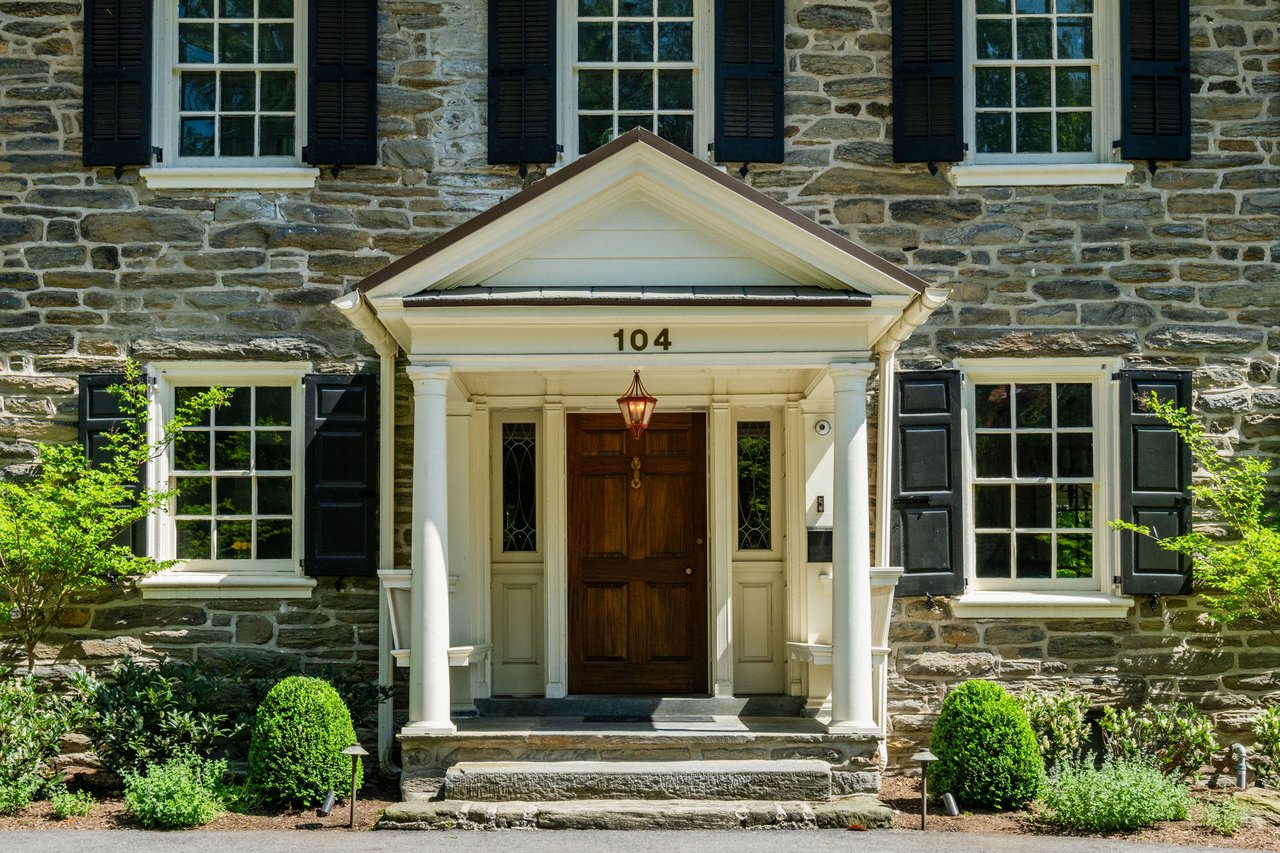
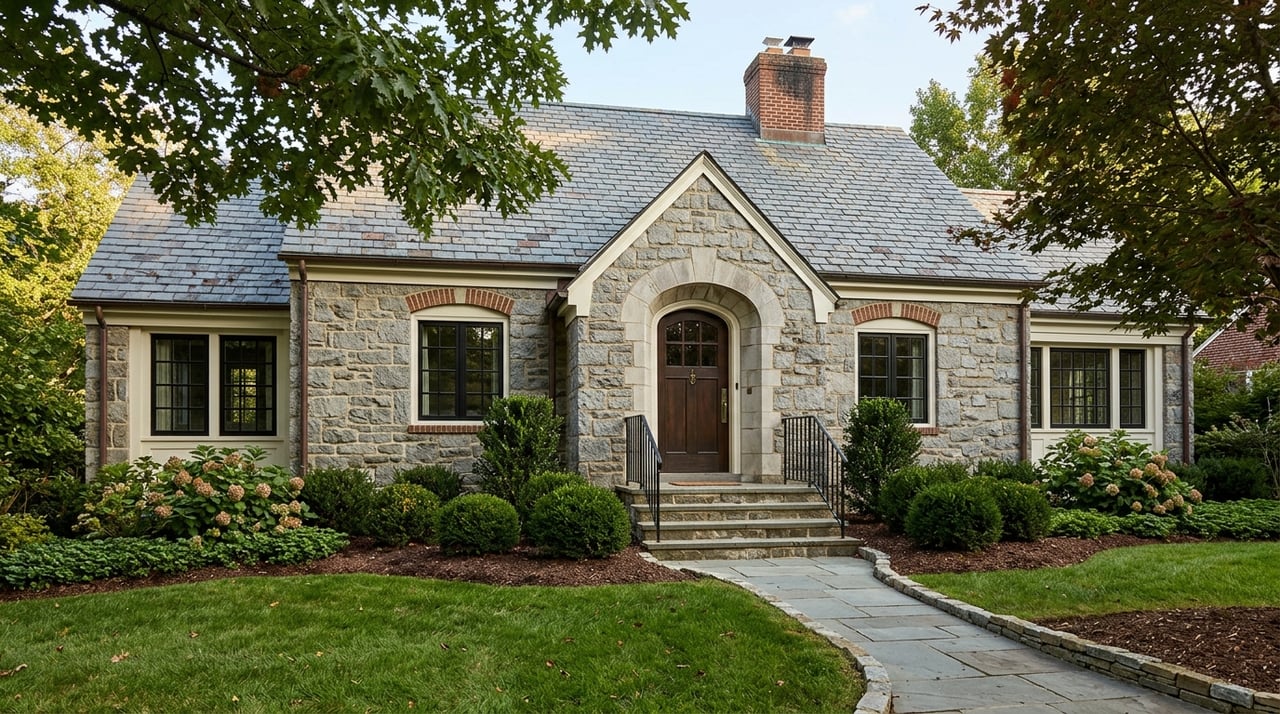
You do not need a full landscape redesign to make an impact. Clean walkways, trimmed plantings, refreshed mulch, neat entry steps, and a well-maintained front elevation can make your home feel cared for from the start.
Stage the rooms that matter most
Staging is not about disguising a property. It is about helping buyers picture how the home lives.
Recent staging data shows that the most commonly staged spaces are the living room, primary bedroom, dining room, and kitchen. Buyer agents also report that the living room and primary bedroom matter most when helping buyers visualize themselves in a home.
For a Chestnut Hill property, partial or personalized staging can be a strong fit. It can add warmth and scale while still showing off original details, which is often more effective than trying to make a historic home look overly sleek or anonymous.
Best rooms to prioritize
If you want to stage selectively, start with:
- Living room
- Primary bedroom
- Dining room
- Kitchen
- Entry hall or foyer, if it has strong architectural character
The right staging should support the home’s architecture, not compete with it.
Price with discipline, not emotion
Chestnut Hill remains a competitive market, but that does not mean every home can push pricing without resistance. Redfin’s most recent neighborhood data shows a median sale price of $1,024,655 for the three months ending May 2026, a median 31 days on market, and a 101.5% sale-to-list ratio.
Those numbers show real demand, but they also point to the importance of getting the launch right. With 23% of homes showing price drops, even a desirable property can lose momentum if buyers feel the asking price runs ahead of the evidence.
This is where recent comparable sales matter most. Your pricing strategy should reflect the market’s view of your home today, not just your personal history with the property or the cost of past improvements.
Know your net before you list
A strong sale is not just about the contract price. It is also about what you keep after taxes and closing costs.
In Philadelphia, the current realty transfer tax rate is 4.578% total, made up of 3.578% City tax and 1% Commonwealth tax. The City states that the tax is usually split evenly between buyer and seller, though that split is not legally required.
At a $1,000,000 sale price, that tax alone is about $45,780 before other closing costs. That is why a clear net sheet matters early, especially if you are comparing timing options, repair decisions, or a future purchase.
Build a marketing-first launch
In a visual neighborhood like Chestnut Hill, buyers often respond to images before they read listing copy. Your marketing package should be ready before the home hits the market, not assembled afterward.
Photography is especially important. Zillow reports that listing photos are often the buyer’s first impression, that professional photos are extremely or very important to many recent buyers, and that 22 to 27 photos is an ideal range.
NAR’s 2025 staging report also shows that buyers’ agents place high importance on photos, videos, and virtual tours. For a standout Chestnut Hill listing, a polished media package can help buyers quickly understand both the home and its setting.
What a strong launch can include
For this type of listing, your launch strategy may benefit from:
- Professional interior photography
- Professional exterior photography
- Video tour content
- 3D tour assets
- Curated print collateral
- Listing copy that explains architecture and lot setting
- Social video and digital promotion timed to launch
This kind of approach aligns well with Michael Prince’s marketing-first listing playbook, which emphasizes professional photography, 3D tours, targeted social video, and curated print materials.
Tell the right story
Buyers in Chestnut Hill are often choosing between more than floor plans. They are comparing lifestyle, setting, and architectural character across a small group of high-interest neighborhoods.
That is why your listing story should do more than list features. It should explain what makes the property feel specific to Chestnut Hill, whether that is stone architecture, mature gardens, a gracious porch, preserved millwork, or proximity to the neighborhood’s walkable retail and trail access.
The strongest marketing makes the home feel rooted in place. In a neighborhood widely recognized for greenery, architecture, and a village-like atmosphere, that kind of storytelling can help your listing feel memorable.
Get disclosures organized early
Preparation is not only cosmetic. It is also administrative.
Pennsylvania’s Seller Disclosure Law requires a signed and dated property disclosure statement to be delivered to the buyer before the transfer agreement is signed. If your home was built before 1978, federal lead-based paint rules may also apply, including disclosure of known information, delivery of available records, a lead warning statement, and an opportunity for buyer inspection or risk assessment unless waived.
When you organize these items early, you reduce last-minute stress and help your transaction move more smoothly once a buyer is in place.
Your Chestnut Hill prep checklist
If you want a simple way to think about pre-listing prep, focus on three goals:
- Preserve character with smart repairs and restrained updates
- Present clearly through staging, cleaning, and curb appeal
- Launch professionally with disciplined pricing and strong media
That combination tends to fit both the neighborhood and the current market. In Chestnut Hill, buyers are often willing to pay for quality and character, but they still expect condition, clarity, and a compelling first impression.
If you are preparing to sell in Chestnut Hill’s Garden District, a tailored strategy can make a real difference in how your home is perceived from day one. For expert guidance on pricing, presentation, and a marketing-first launch, connect with Michael Prince.
FAQs
What makes selling a home in Chestnut Hill different from other Philadelphia neighborhoods?
- Chestnut Hill’s identity as Philadelphia’s Garden District and its large historic district mean buyers often pay close attention to architecture, landscaping, original details, and overall presentation.
What pre-listing updates usually make the most sense for a Chestnut Hill home?
- The strongest prep often includes cleaning, decluttering, paint touch-ups, landscape cleanup, minor repairs, and discreet system fixes rather than major remodels that remove historic character.
What rooms should you stage before listing a Chestnut Hill property?
- The most important rooms to prioritize are typically the living room, primary bedroom, dining room, and kitchen, since those spaces often help buyers visualize daily life in the home.
What does the Philadelphia transfer tax mean for Chestnut Hill sellers?
- Philadelphia’s total realty transfer tax rate is 4.578%, and at a $1,000,000 sale price that equals about $45,780 before other closing costs, so an early net sheet is important.
What disclosures do Pennsylvania home sellers need before closing?
- Pennsylvania sellers must provide a signed and dated property disclosure statement before the transfer agreement is signed, and many pre-1978 homes also require lead-based paint disclosures under federal law.
Why do professional photos matter when listing a Chestnut Hill home?
- Professional photos are often a buyer’s first impression, and strong photography, video, and tour assets can help communicate the home’s character, setting, and condition from the start.