Two numbers, same 19106 zip code, twelve months apart. The average home value in Old City sat at $373,729 as of May 2026, down slightly from a year earlier. A few blocks south, in Society Hill, the average home value hit $499,723 as of July 2026, up 5.2 percent over the same span. Anyone shopping the "Historic District" as a single unit, the way most listing searches and guidebooks package it, would miss that these two neighborhoods are moving in opposite directions.
This matters because Old City and Society Hill get sold as one story: cobblestone streets, Colonial-era brick, walking distance to Independence Hall. The pitch is accurate. The market behavior underneath it is not the same story at all, and the reason has less to do with location than with what kind of building sits on the lot.
The Speed Gap Is Bigger Than The Price Gap
Redfin's competitiveness scoring puts Old City at 22 out of 100, meaning multiple offers are rare and homes typically sell about 4 percent under list price. Society Hill scores 65 out of 100 on the same scale, with some homes fielding competing offers and hot listings closing near or slightly above asking.
Days on market tells the same story from a different angle. Society Hill homes are going pending in around 45 days, with the fastest movers under a month. Old City's own listing pages don't even agree with each other: one Redfin tally puts the neighborhood at 82 days, another at 97, a third closer to 80. That spread itself is a clue: Old City's sale volume is thinner and lumpier than Society Hill's, so a single slow-selling loft or a cluster of investor units can drag the average in a way it wouldn't in a deeper, more liquid market. Redfin's own tracking put Old City's median sale price at $419,859 in May 2026, down 7.7 percent from a year earlier, which lines up with the flat-to-falling trend rather than against it.
Put plainly, the neighborhood with the higher price tag is currently the one moving faster.
What's Actually Sitting On The Ground
The reason isn't mystery. It's inventory composition.
Old City's residential stock is dominated by industrial-to-residential conversions, the kind of 19th-century cast-iron and warehouse buildings the neighborhood is known for turning into loft condos. Buildings like The National at Old City, a five-building gated community built in 2005 and 2006 by Intech Construction for K. Hovnanian Homes, or the Waterbridge Condominiums overlooking the Delaware, or the Metro Club with its deeded parking and skyline views, all fit the same pattern: multi-unit buildings with HOA boards, reserve funds, rental caps, and the financing overlays that come with condo ownership. Local buyer guidance for the neighborhood is blunt about the practical effect: shoppers should walk in expecting a condo purchase rather than a single-family one, because lofts and converted industrial buildings make up most of what's actually listed.
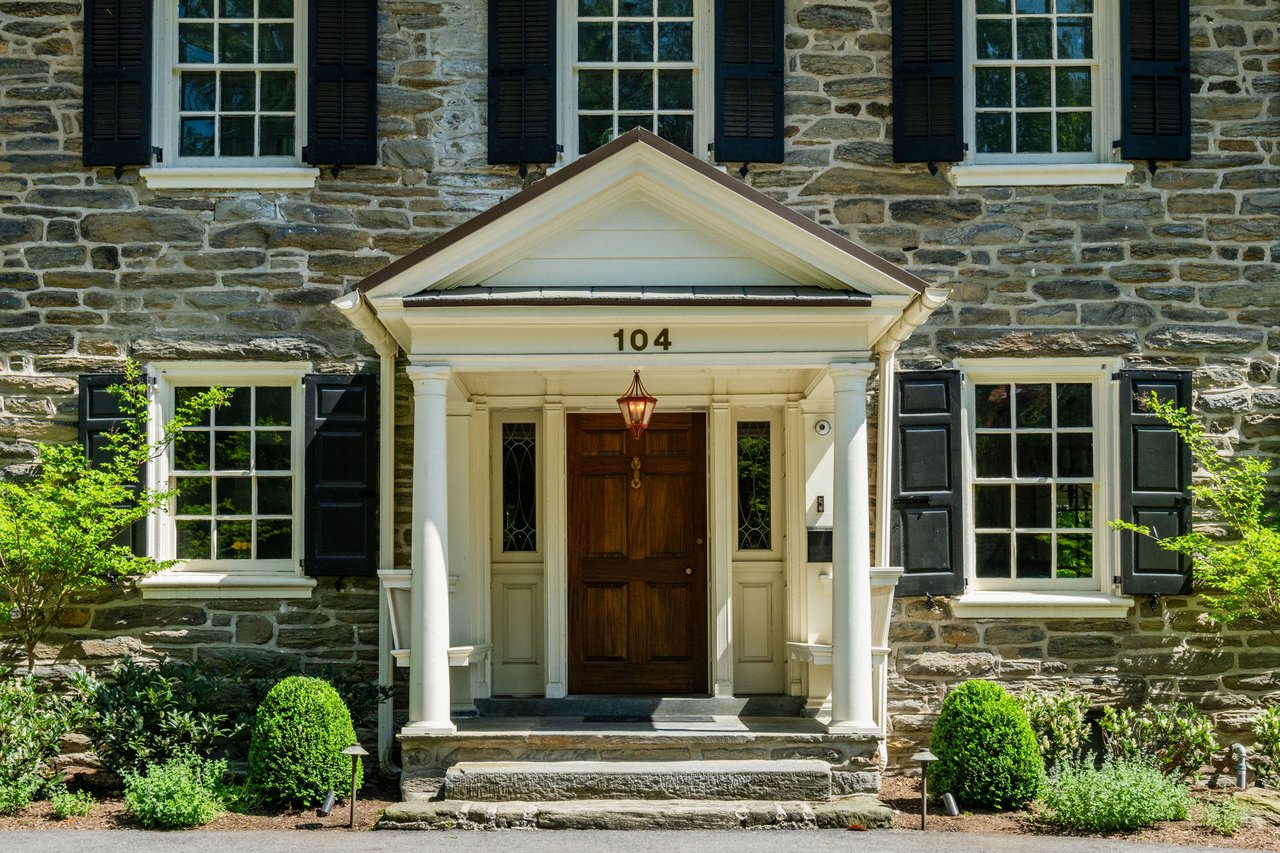
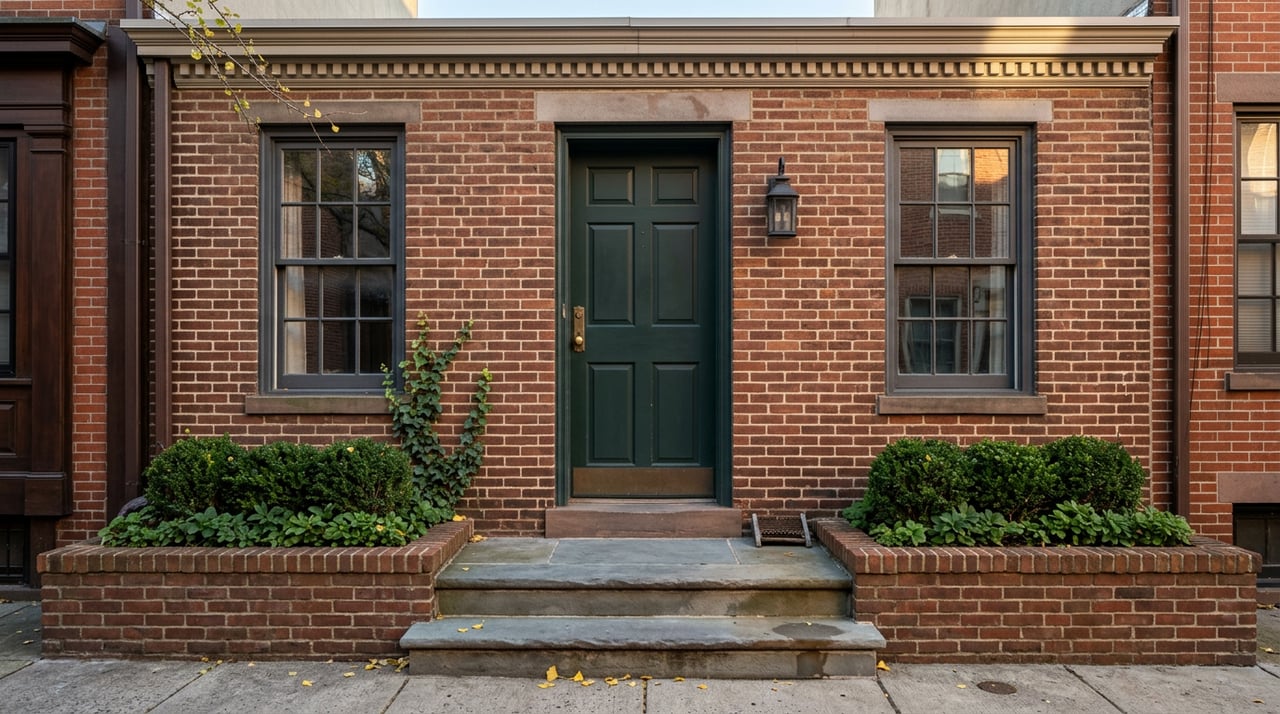
Society Hill's stock skews the other way. Roughly 56 percent of its privately owned properties are condos or co-ops, but the other 44 percent are townhomes, many of them Federal and Georgian rowhouses dating to the 1700s and 1800s, the kind of single-owner asset that doesn't come with a condo board, a master insurance policy, or a lender running extra underwriting on the building's financials. Listings like the Cadwalader House, a trophy property being marketed as a rare opportunity to build one of the city's most remarkable private residences from the ground up, or the newer eight-unit Dilworth House development by Astoban Investments overlooking Washington Square, show a mix of historic single-family stock and small-scale new construction rather than large loft conversions.
That difference shows up at the closing table before it shows up in the sale price. A single-family rowhouse purchase is a more straightforward underwriting file. A condo purchase in a building like The National means a lender pulling the HOA's budget, reserve study, and litigation history before approving the loan, and a buyer who skips that step can lose weeks mid-contract when the lender's condo questionnaire comes back with a flag.
The Rental Market Backs It Up
If sale prices and days on market were a fluke of a few big transactions, rents would tell a cleaner story, and they do.
Average rent in Society Hill reached $3,480 as of August 2026, up 13.23 percent over the year before. Old City's range runs lower and wider: a July 2026 snapshot put studios at $1,583, one-bedrooms at $2,066, and two-bedrooms at $3,072. Society Hill's two-bedroom rent premium over Old City's is consistent with the sale-side pattern. It's not a neighborhood that's suddenly more fashionable. It's a smaller, more owner-occupied housing stock competing for a limited number of larger, historic units, against a bigger, more churn-heavy inventory of loft rentals a few blocks north.
What This Actually Means If You're Choosing Between Them
Here's the comparison as it stands right now, gathered from the sources above:
| Old City | Society Hill | |
|---|---|---|
| Average home value (2026) | $373,729 (down 0.1% YoY, as of May 2026) | $499,723 (up 5.2% YoY, as of July 2026) |
| Redfin Compete Score | 22 / 100 | 65 / 100 |
| Typical days on market | 80 to 97 (varies by listing page and month) | ~45 |
| Housing stock mix | Predominantly condo and loft conversion | 56% condo/co-op, 44% townhome |
| Average rent (2026) | $1,583–$3,072 by unit size (July 2026) | $3,480 average (August 2026) |
If you're a first-time buyer or an out-of-state relocation drawn to the historic brand name, that table argues for slowing down rather than picking by vibe. A condo in a converted warehouse in Old City can be a genuinely good buy, especially with more room to negotiate off list price and more time to think before committing. But it comes with a building to vet, not just a unit, and the mortgage process reflects that. A rowhouse in Society Hill trades at a premium and moves faster, which means less room for a slow decision, but it also means fewer surprises once you're past inspection, since there's no HOA board or reserve fund standing between you and the walls.
Neither pattern makes one neighborhood a better buy than the other. They make them different transactions wearing the same historic-district marketing.
Frequently Asked Questions
Why do days-on-market figures for Old City vary so much between sources?
Old City's sale volume is smaller and less consistent month to month than Society Hill's, so a handful of slow-selling condo units, or conversely a cluster of quick sales, can swing the average sharply depending on when a source pulls its data. Society Hill's more consistent mix of owner-occupied rowhomes produces a steadier number.
Does buying a condo in Old City really take longer to close than a rowhouse in Society Hill?
Not automatically, but a condo purchase does add underwriting steps a single-family rowhouse purchase doesn't have. Lenders typically review the building's HOA budget, reserve fund, and any pending litigation before clearing the loan, and buildings that haven't kept those documents current can add real time to a contract.
Is Society Hill's price growth likely to continue at 5.2 percent a year?
That figure reflects the twelve months ending July 2026 and shouldn't be read as a guaranteed pace going forward. It does reflect current demand pressure on a housing stock that can't easily expand, since most of Society Hill's inventory is protected historic rowhouses rather than land available for new condo construction.
If you're weighing a purchase somewhere inside Philadelphia's Historic District and want a straight read on what a specific building or block is actually trading at, Michael Prince can walk you through the numbers block by block before you write an offer. List with Michael.