Trying to choose between a condo and a rowhome in Fairmount? You’re not alone. This neighborhood packs art, parks, cafés and classic Philly charm into a walkable grid, which makes both options compelling. In this guide, you’ll compare space, costs, amenities, parking, financing, and resale so you can make a confident choice. Let’s dive in.
Fairmount at a glance
Fairmount, often called the Art Museum area, stretches around the Benjamin Franklin Parkway near the Philadelphia Museum of Art and borders Fairmount Park. It is commonly associated with zip code 19130 and a mix of historic streets and newer condo conversions. For a quick geographic primer, review the neighborhood’s overview on the Fairmount page of Wikipedia.
You’ll find world-class museums, Kelly Drive and the Schuylkill River Trail, plus restaurants and cafés along Fairmount Avenue. Transit access includes several bus and trolley routes nearby. Schedules and frequencies can change, so check current SEPTA timetables before you plan a commute.
Recent market snapshots vary by source and date. Redfin reported a Fairmount median sale price of about $404,500 in January 2026. Realtor.com showed a median listing price near $374,450 through December 2025 and a median rent around $1,850 per month in that same period. Use these as directional markers and verify the latest figures when you’re ready to shop.
Condo vs rowhome: space and layout
What you get in a Fairmount condo
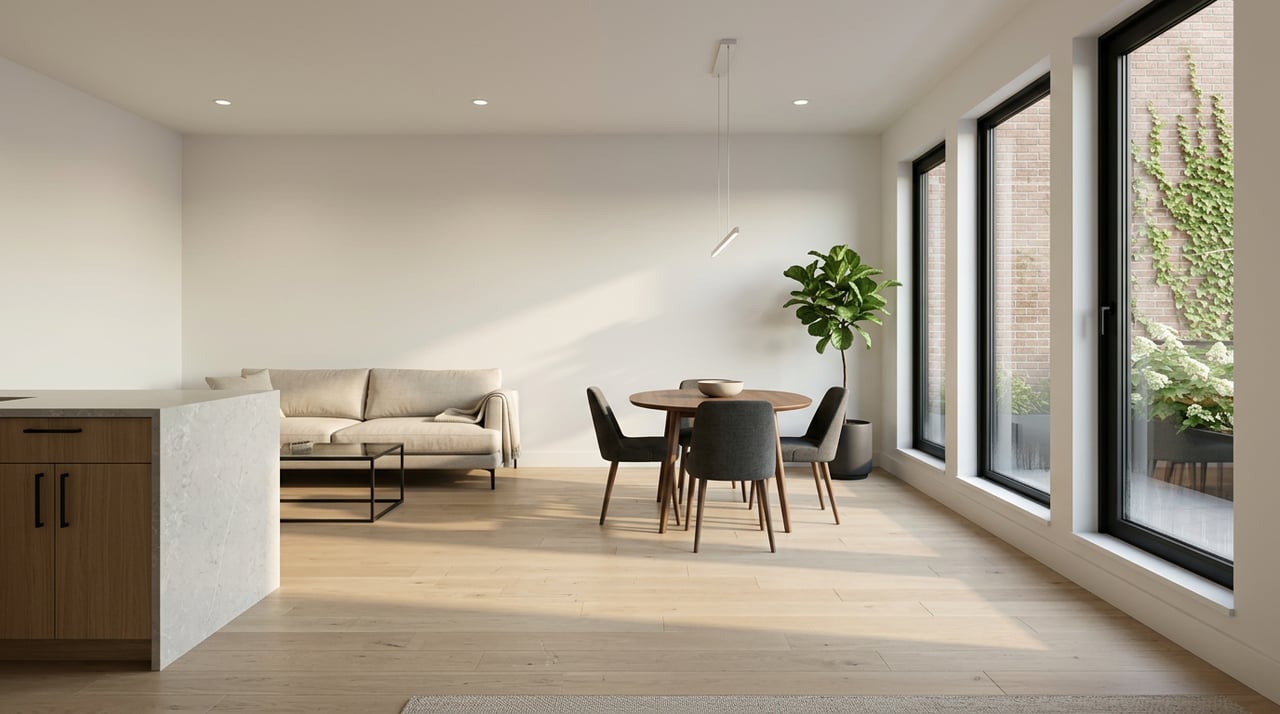
Condo options range from studios to multi-bedroom flats in prewar buildings and conversions. Floor plans are efficient, with single-level living that often suits a low-maintenance lifestyle. Some larger buildings near the Parkway are known for broad price bands, where smaller units trade in the low-to-mid six figures and bigger or higher-floor residences push into the $400k–$600k range depending on condition and views.
What you get in a Fairmount rowhome
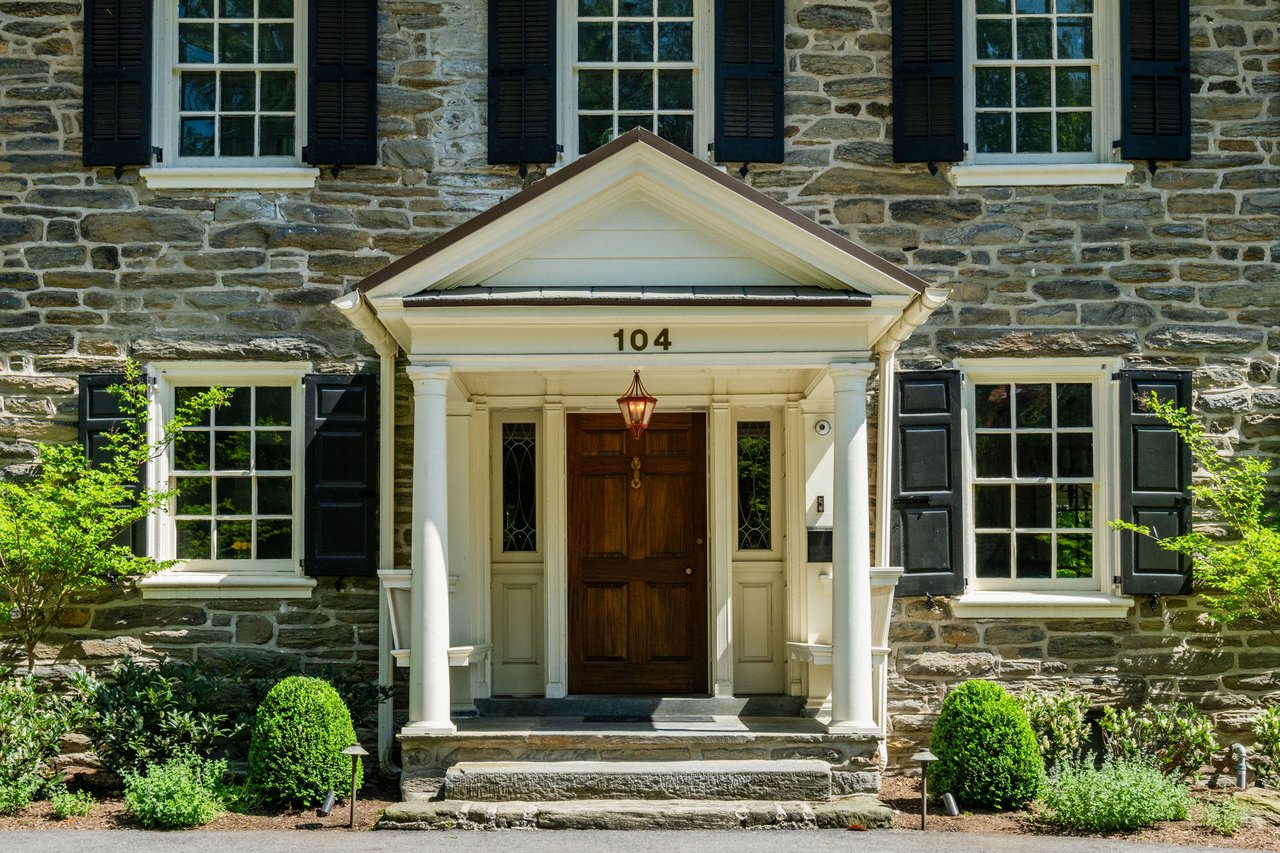
Rowhomes deliver a house-like feel with multiple levels, defined living and dining areas, basements, and often a small yard or roof deck. You’ll typically gain more interior square footage and private outdoor space at a given price point compared to a condo. Renovated Fairmount rowhomes commonly land in the mid-six figures to the $700k–$800k range, with finish level and parking options driving premiums.
Ongoing costs and maintenance
Condos: what the HOA covers and what to review
Monthly HOA fees can range from a few hundred dollars in smaller associations to $600–$1,000+ in amenity-rich buildings. Fees typically cover exterior and common-area upkeep, building systems, and sometimes utilities or insurance components. Before you buy, review the association’s documents and financials. A practical primer on what you actually own with a condo and why the paperwork matters is available from Nolo.
Also assess the HOA’s reserves and upcoming projects. A special assessment for roof, façade, or elevator work can be expensive, so ask for the latest reserve study, recent financials, and meeting minutes. This HOA responsibility overview from Kuester explains why reserve planning and scope of repairs matter.
Insurance is different too. Condo owners usually carry an HO-6 policy for interior finishes, contents, and liability, while the building’s master policy covers structure and common areas. The master policy type affects how much coverage you need. See this clear HO-6 explainer from Policygenius.
Rowhomes: your roof, your brick, your systems
A fee-simple rowhome typically has no HOA fee, which can reduce your monthly spend. You are responsible for the roof, façade, gutters, and systems. Over time you should budget for episodic big-ticket items like roofing, masonry repointing, and mechanical replacements. A proper inspection and a realistic maintenance plan are key.
Amenities and lifestyle tradeoffs
Condos: turnkey and amenity-rich
Many local buildings offer a staffed front desk, secured entry, package handling, fitness centers, bike storage, and sometimes a shuttle or managed parking. If you travel often or want a lock-and-leave setup, these features can be a major value add.
Rowhomes: character and control
Historic details, higher ceilings, and private outdoor space make rowhomes ideal if you want to host, garden, or customize your home. You’ll have more freedom to personalize interiors, but exterior changes may be limited in historic overlays. If you plan renovations, check local permitting rules in advance.
Parking and daily logistics in Fairmount
Street parking is a mix of metered and residential permit zones. The Philadelphia Parking Authority administers permits and enforces rules. For permit basics and programs, start with the PPA overview. Local reporting notes that permit pricing and structures have evolved, so confirm current fees and requirements. For a plain-English refresher on rules and updates, see this Philadelphia Magazine primer on parking rules.
Event days around the Parkway and museum district can tighten street parking further. If guaranteed parking is important, compare buildings or homes with assigned garage spaces or private driveways. To plan visitor parking or compare options near attractions, consult Visit Philly’s parking guide.
- Condos: Many offer assigned or attached garage parking, either included or for an extra fee. That convenience can raise the purchase price or monthly HOA.
- Rowhomes: Off-street parking is a premium feature and less common. Many owners rely on residential permits and street spaces.
Financing and insurance differences
Condo mortgages and approvals
Condo financing often includes a project-level review. Lenders look at HOA reserves, owner-occupancy ratios, and litigation. FHA and VA approvals can be building-specific, though single-unit approvals may be possible. Learn how FHA condo approvals work and what to ask your lender in this overview from Better Mortgage.
Insurance: condo vs rowhome
- Condos: You’ll likely carry an HO-6 policy and may want a loss-assessment rider. What the HOA’s master policy covers determines your interior coverage needs. Get the details in the Policygenius HO-6 guide.
- Rowhomes: You’ll typically purchase a full homeowner policy that covers the entire structure and exterior. Premiums and coverage differ from condo policies.
Resale and investment signals
Buyer pools differ. Condos often attract first-time buyers, downsizers, and anyone prioritizing low maintenance and amenities. Resale value hinges on building reputation, HOA health, parking, and the unit’s condition and light. Rowhomes tend to draw buyers seeking space, outdoor areas, and longer ownership horizons. Condition, parking, and layout efficiency move the needle most.
Keep an eye on current medians as context. In January 2026, one source reported a median sale price near $404,500 in Fairmount. A separate source tracking data through December 2025 showed a median listing price around $374,450 and a median rent near $1,850 per month. Your micro-market will vary by block, home type, finish level, and parking.
A quick decision quiz
Ask yourself these questions and follow the likely fit:
- Do you want low maintenance and a staffed building? If yes, lean condo. Confirm what the HOA fee covers and the building’s reserves.
- Do you want a private yard, roof deck, or more interior space? If yes, lean rowhome. Plan for stairs and a realistic maintenance budget.
- Do you need guaranteed parking? If yes, look for a condo with assigned garage parking or a rowhome with off-street parking. Verify fees and deeded rights.
- Are you sensitive to monthly costs? If yes, compare an HOA fee plus HO-6 insurance against a rowhome’s periodic big-ticket repairs. Review HOA financials if you choose a condo.
- Will you use public transit most days? Either can work. Focus on a location close to your preferred routes and check current SEPTA schedules.
Your due-diligence checklist
If you’re buying a condo
- Review the HOA budget, last 2–3 years of financials, and the latest reserve study. See why reserve planning matters in this HOA responsibility overview.
- Request the last 12 months of meeting minutes to spot pending assessments or disputes. This quick read on responsibilities and context from Thayer Associates helps frame questions.
- Read the Declaration, Bylaws, Rules and Regs, and the master insurance policy page so you know what the association covers. Here’s a useful Nolo guide to condo ownership scope.
- Ask your lender about FHA/VA status and whether a single-unit approval is possible. Learn the basics in Better Mortgage’s FHA condo overview.
- Confirm any planned façade, roof, or elevator projects and whether special assessments are expected.
If you’re buying a rowhome
- Order a full inspection with extra attention to foundation, brick and masonry, roof, chimneys, plumbing, and basement moisture.
- Verify permits for past work and check for any historic-district limits that could affect exterior updates.
- Clarify party-wall responsibilities where homes share walls.
City-level items for all buyers
- Confirm property taxes and available relief programs. Philadelphia’s posted real estate tax rate in recent years has been 1.3998%. Review current rules and programs like the Homestead Exemption and LOOP on the City of Philadelphia’s tax page, and note enrollment deadlines.
- Check parking logistics: whether your block requires a residential permit and how to obtain visitor passes. Start with the PPA overview.
- Compare insurance needs: HO-6 plus master policy details for condos vs full homeowner coverage for rowhomes. See the Policygenius HO-6 guide.
Real-world price context
Here are a few recent Fairmount examples to frame your expectations. These are snapshots, not predictions, and prices shift by month and micro-location:
- Parkway-area condos: Units in large amenity buildings show wide price spreads. Recent sales have ranged from under $250k–$325k for smaller or studio units to $400k–$600k+ for larger floor plans, depending on floor, exposure, and condition. One recent condo in a Parkway building showed a monthly HOA near $574 in late 2025.
- Mid-range condo with parking: A Fairmount condo with an attached garage and patio sold in August 2023 for about $509,000 with a reported monthly fee around $315.
- Renovated rowhomes: A polished rowhome with outdoor space closed in May 2025 near $750,000. Another renovated option on Fairmount Avenue sold in July 2024 for about $645,000. Parking, finish level, and outdoor space drove the difference.
Use these examples to set a starting point, then focus on the block, the building, parking, and the condition of the specific home you love.
Ready to compare on the ground?
If you want help weighing space, fees, parking, and resale block by block in Fairmount, let’s talk. You’ll get straightforward advice, neighborhood-first insight, and a clear plan from first tour to closing. Connect with Michael Prince to find your best fit.
FAQs
What are the biggest cost differences between a Fairmount condo and a rowhome?
- Condos add an HOA fee that covers shared maintenance and insurance components, while rowhomes skip the HOA but require you to budget for your own roof, façade, and systems over time.
How do condo reserves and assessments affect me as a buyer in Fairmount?
- Healthy reserves reduce the chance of special assessments; always review the reserve study, recent financials, and HOA meeting minutes to spot deferred projects before you commit.
Is parking easier with a condo or a rowhome in the Art Museum area?
- Condos are more likely to offer assigned garage parking for a fee, while most rowhomes rely on street permits; check the PPA’s rules and verify any deeded or assigned spaces in writing.
Do FHA or VA loans work for Fairmount condos?
- Sometimes; approvals can be building-specific, though single-unit approvals may be possible, so ask your lender to review the project’s status early in your search.
What should I know about property taxes and relief programs in Philadelphia?
- Philadelphia lists a 1.3998% real estate tax rate in recent years and offers programs like the Homestead Exemption and LOOP; review current details and deadlines on the city’s website.