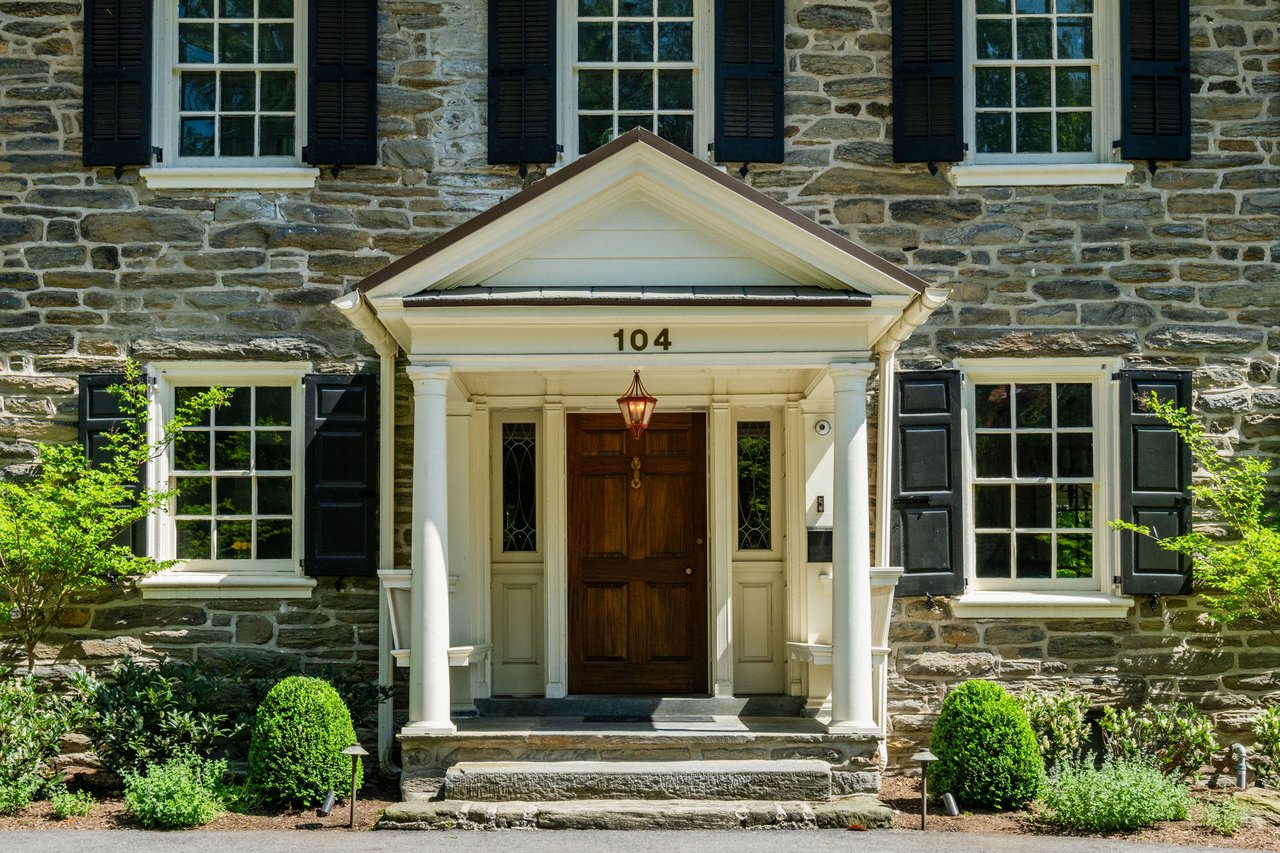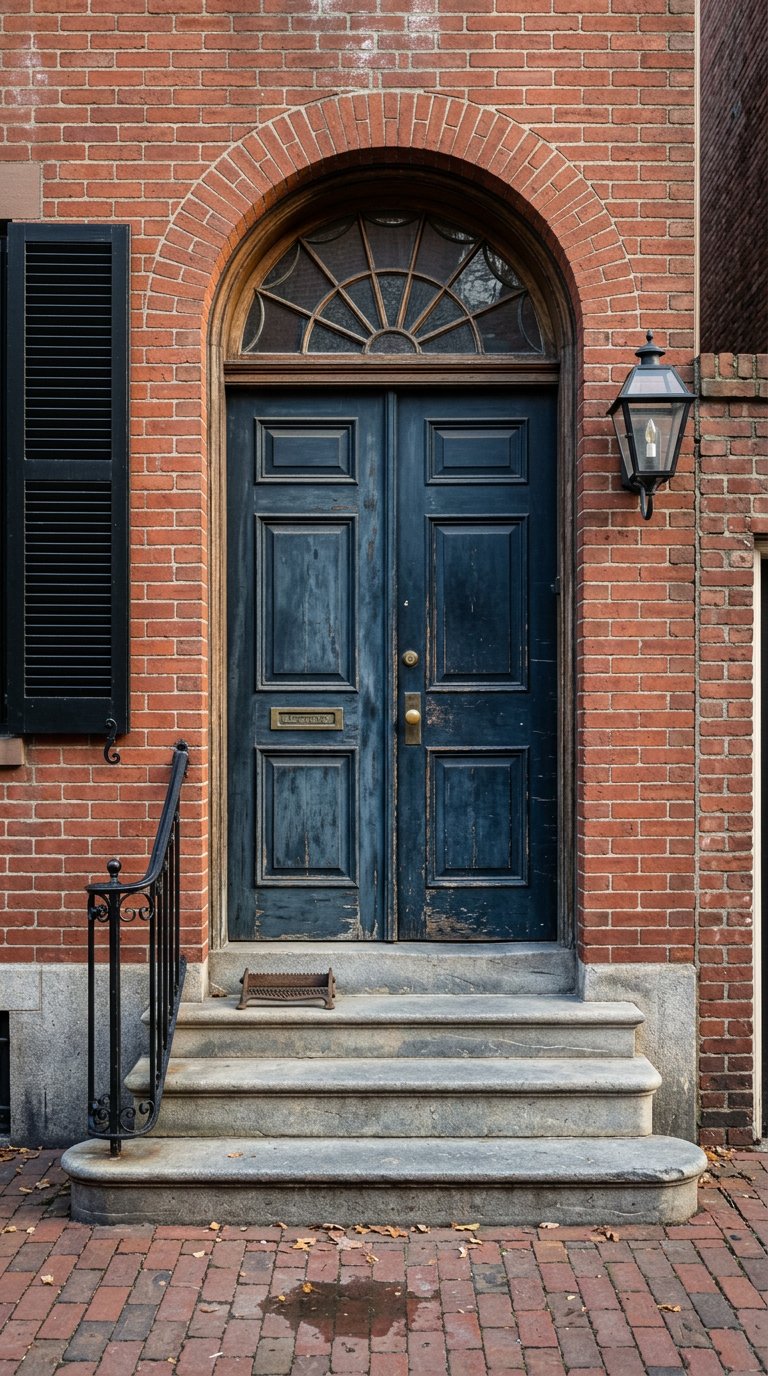
Thinking about selling your Old City or Society Hill gem? You are in a great spot. Buyers love the brick, the stoops, and the story these homes tell. The key is knowing how historic rules, timelines, and disclosures fit into your sale so you can move with confidence and keep leverage at the table. In this guide, you will learn the steps that matter most, how to plan repairs and approvals, and how to market your home’s character without surprises. Let’s dive in.
Understand your historic status
Old City and Society Hill are local historic districts listed on the Philadelphia Register of Historic Places. Each district has a detailed nomination with boundaries, contributing buildings, and character notes you can use in your listing materials. Review the Old City district nomination and inventory and the Society Hill district nomination to understand what makes your property significant.
For property-specific rules and best practices, start with the Philadelphia Historical Commission’s property owner manuals. These district resources explain preferred repair methods and what work needs review. You can find them on the city’s page for historic district manuals for property owners.
Know when PHC review applies
If your home is on the Philadelphia Register, exterior work visible from the street usually needs approval from the Philadelphia Historical Commission (PHC) before permits are issued. This covers facades, windows, roofs, stoops, porches, masonry, visible mechanicals, and signage. Interior work is generally not regulated unless the interior is designated. The city explains this process on its page for approval for work to a historic property.
PHC staff approve over 90 percent of applications without a public hearing. Projects that change street-facing appearance or add height are more likely to go to the Architectural Committee and the full Commission, which can add several weeks. Plan any pre-listing repairs like window work, roof changes, or masonry repointing with this timing in mind.
Coordinate PHC and permits
PHC review is part of the city’s permit workflow. You submit plans for permits through Licenses and Inspections, then PHC signs off on historic appropriateness before permits are issued for exterior work. If you are considering pre-listing repairs, coordinate your PHC submission and L&I permits together to avoid delays. The city outlines this process under historic property approvals.
Get the right inspections
Older brick rowhomes often need targeted evaluations. Before you list, assemble:
- A standard pre-listing home inspection.
- A structural or masonry review if you see cracking, bowed walls, leaning chimneys, or loose cornices.
- A roof and gutter inspection with notes on roof covering type and condition.
- A preservation assessment if original features like windows, mantels, trim, or cornices are core selling points or if repairs may trigger PHC review.
- Lead, asbestos, or safety testing if your contractor or inspector flags potential hazards.
Position these reports as buyer-assurance documents. Clear, early information can improve trust and reduce later renegotiations.
Handle lead and safe-work rules
Most homes in Old City and Society Hill predate 1978. Federal law requires you to provide buyers with the EPA/HUD pamphlet, disclose known lead-based paint or hazards, share any reports, and offer buyers a chance to test before becoming contractually bound. Review the EPA’s lead disclosure rule fact sheet.
If you hire contractors for pre-listing work that disturbs painted surfaces in pre-1978 housing, they must follow the EPA’s Renovation, Repair and Painting Rule. Confirm firm certification and trained renovators. Learn more from the EPA’s page for RRP program contractors.
Complete Pennsylvania disclosures
Pennsylvania’s Real Estate Seller Disclosure Law requires sellers to disclose known material defects and deliver the disclosure form before the buyer signs the agreement of sale. Fill this out carefully and keep records of delivery. You can review the statute under Chapter 73, Seller Disclosures.
Selling as-is does not remove disclosure duties. It only frames your pricing and negotiation strategy around repairs you will not perform.
Repair, disclose, or price it in
When a repair could trigger PHC review, weigh your options:
- Repair now with historically appropriate methods, then showcase that work with permits and approvals.
- Disclose the issue and price accordingly, which can appeal to buyers who want control over the work.
- Pursue a limited PHC pre-approval for common items, like a window profile, to give buyers a head start without committing to the work yourself.
For guidance on treatment options by feature, check the PHC’s historic district manuals.
Price for today’s buyer pool
Historic designation affects value in different ways depending on location and buyer intent. In Old City and Society Hill, historic character and proximity to Independence National Historical Park are strong draws for buyers who value authenticity and period details. At the same time, designation can narrow the pool to purchasers who accept maintenance and review steps. Local comparables and market context should drive pricing. For neighborhood character and features, see the Old City nomination.
If you are marketing to investors, note that federal historic tax credits apply only to income-producing certified historic structures and require a three-part National Park Service process. Owner-occupied homes usually do not qualify. Review NPS guidance on the Historic Preservation Certification Application.
Set a realistic timeline
Build in time for evaluation, approvals, and presentation:
- Inspections and estimates: 1 to 6 weeks, depending on scope.
- PHC staff review: often days to weeks. Committee and Commission review: several additional weeks with public meetings.
- L&I permits for exterior work: coordinate with PHC signoff.
- Staging, photography, floor plans, and listing prep: 1 to 2 weeks.
The city outlines review steps on its page for historic property approvals. Set clear expectations in your listing about any PHC or permit items that will carry into the buyer’s timeline.
Market the character and the lifestyle
The right presentation helps buyers see both history and function:
- Stage to highlight original features like mantels, moldings, staircases, and built-ins, plus safe, usable kitchens and baths.
- Invest in professional photography with detail shots of architectural elements and accurate floor plans.
- Use verified provenance when available, such as documented restoration work or historic photos.
Staging has a measurable impact on buyer perception and market time. The National Association of REALTORS® summarizes agent-reported outcomes in its Profile of Home Staging.
Prepare a buyer-ready document packet
Remove friction by sharing a clear, organized packet:
- PHC Certificates of Appropriateness and any prior approvals.
- Building permits, L&I final approvals, and contractor invoices.
- Inspection reports and maintenance records.
- Historic documentation or photos when verified.
- Pennsylvania seller disclosure and lead disclosures.
- Any tax abatement information. If a 10-year abatement is active, note it clearly and that properties with an active abatement do not receive the Homestead Exemption. See the city’s page on property tax abatements.
Buyers in historic districts value transparency. Clean documentation supports stronger offers and shorter negotiations.
Plan showings and negotiations
Decide early if you will fund repairs or sell as-is. Present your inspection findings and any completed work with receipts. If the buyer’s plan will need PHC approvals, build that step into the negotiated timeline. You can also pursue targeted PHC pre-approvals, such as acceptable window profiles, to speed things up for the next owner. The city offers staff consultation and pre-application advice under historic property approvals.
Selling a historic home in Old City or Society Hill rewards a thoughtful plan. If you want a marketing-first strategy that respects the architecture and reaches the right buyers, connect with Michael Prince to map your timeline, approvals, and launch plan.
FAQs
Does historic status stop me from selling in Old City or Society Hill?
- No. PHC regulates exterior changes to designated properties but does not prevent sales. You must follow PHC procedures for work visible from public streets. See the city’s page on historic property approvals.
How long do Philadelphia Historical Commission approvals take for exterior work?
- Staff approvals often take days to weeks. If the project goes to the Architectural Committee and Commission, expect several additional weeks due to public meetings. Details are on historic property approvals.
What lead-based paint steps apply to pre-1978 Philadelphia homes?
- You must provide the EPA/HUD pamphlet, disclose known lead hazards, share any reports, and allow buyers an opportunity to test before they are bound by contract. See the EPA’s lead disclosure fact sheet.
Do contractors need special certifications for pre-listing work on my historic home?
- For work that disturbs painted surfaces in pre-1978 housing, contractors must comply with the EPA’s Renovation, Repair and Painting Rule. Confirm firm certification and trained renovators. Learn more from RRP program contractors.
What do I have to disclose to buyers in Pennsylvania?
- Pennsylvania’s Real Estate Seller Disclosure Law requires disclosure of known material defects and delivery of the disclosure form before the buyer signs an agreement. Review Chapter 73, Seller Disclosures.
Can a buyer use federal historic tax credits on a Society Hill townhouse?
- Only if the property is an income-producing certified historic structure and the buyer completes the three-part NPS process. Owner-occupied primary residences usually do not qualify. See NPS guidance on the Historic Preservation Certification Application.