If you want a luxury home in Philadelphia without giving up greenery, historic character, or a true neighborhood main street, Chestnut Hill stands in a class of its own. For many buyers and sellers, the challenge is figuring out what really makes this market different from other high-end options in the city and nearby suburbs. This guide breaks down what sets Chestnut Hill apart, from architecture and pricing to parks, transit, and long-term value drivers. Let’s dive in.
Why Chestnut Hill Stands Out
Chestnut Hill sits at the northwest edge of Philadelphia County and is widely known as Philadelphia’s Garden District. That identity is not just branding. It reflects the neighborhood’s elevated setting, village-like streetscape, and strong connection to preserved green space and historic character.
Most of the neighborhood falls within the Chestnut Hill Historic District. According to the Chestnut Hill Conservancy, that district includes more than 2,600 buildings dating from 1744 to the present. For luxury buyers and sellers, that kind of preservation matters because it helps protect the look, feel, and long-term identity of the area.
Historic Character Shapes Value
In many luxury markets, value comes from size alone. In Chestnut Hill, value is also tied to irreplaceable character. The neighborhood offers a protected historic setting where architecture, materials, and streetscape work together to create a sense of place that is hard to duplicate elsewhere in Philadelphia.
The Conservancy notes that the housing stock is largely made up of single-family detached, semi-detached, row, or court-arranged homes. Large detached houses exist, but they are only a minority of the total building stock. That limited supply is part of why premium homes here occupy a distinct niche.
Chestnut Hill Architecture Feels Different
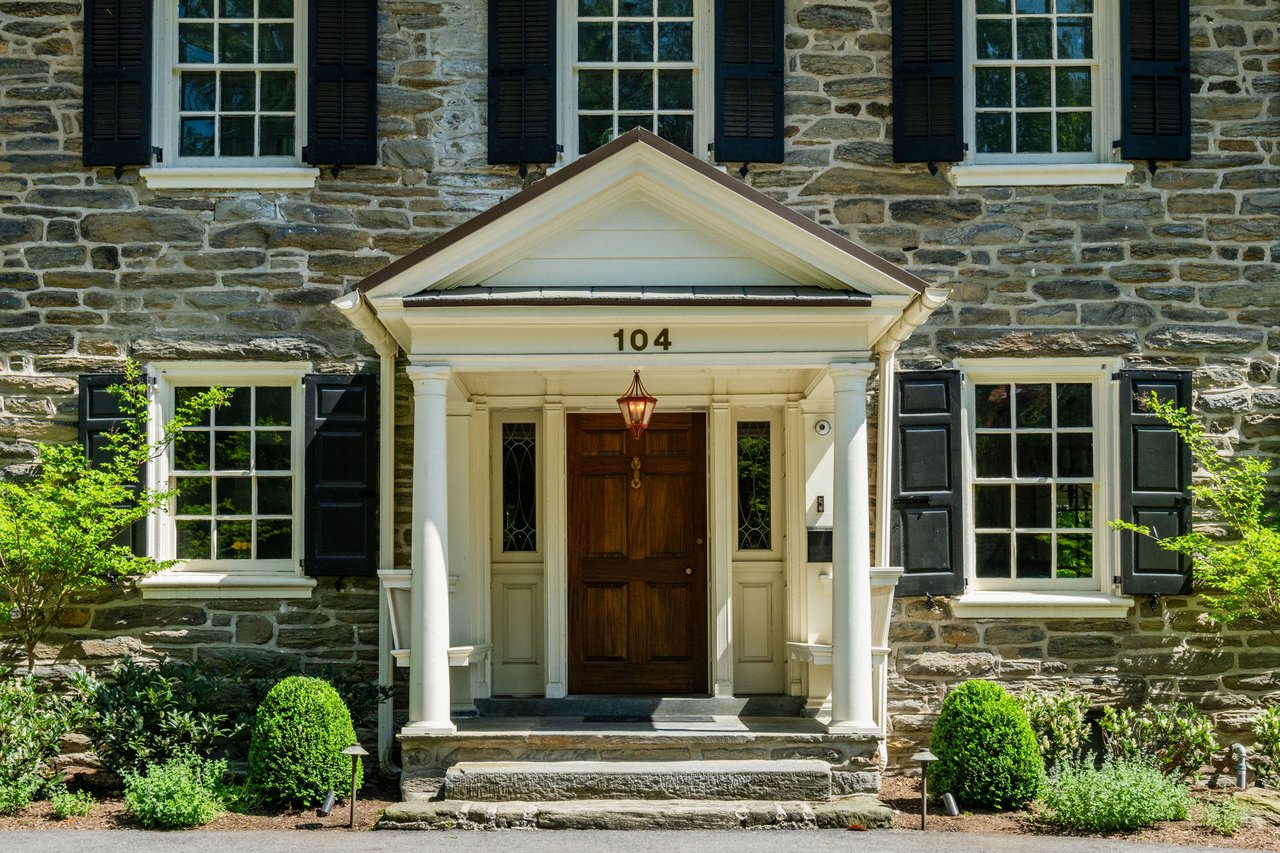
One of the biggest draws in Chestnut Hill is the range of architectural styles. The historic district includes Italianate, Queen Anne, Colonial Revival, Cotswold, and other revival styles. Even with that variety, the neighborhood still feels visually cohesive.
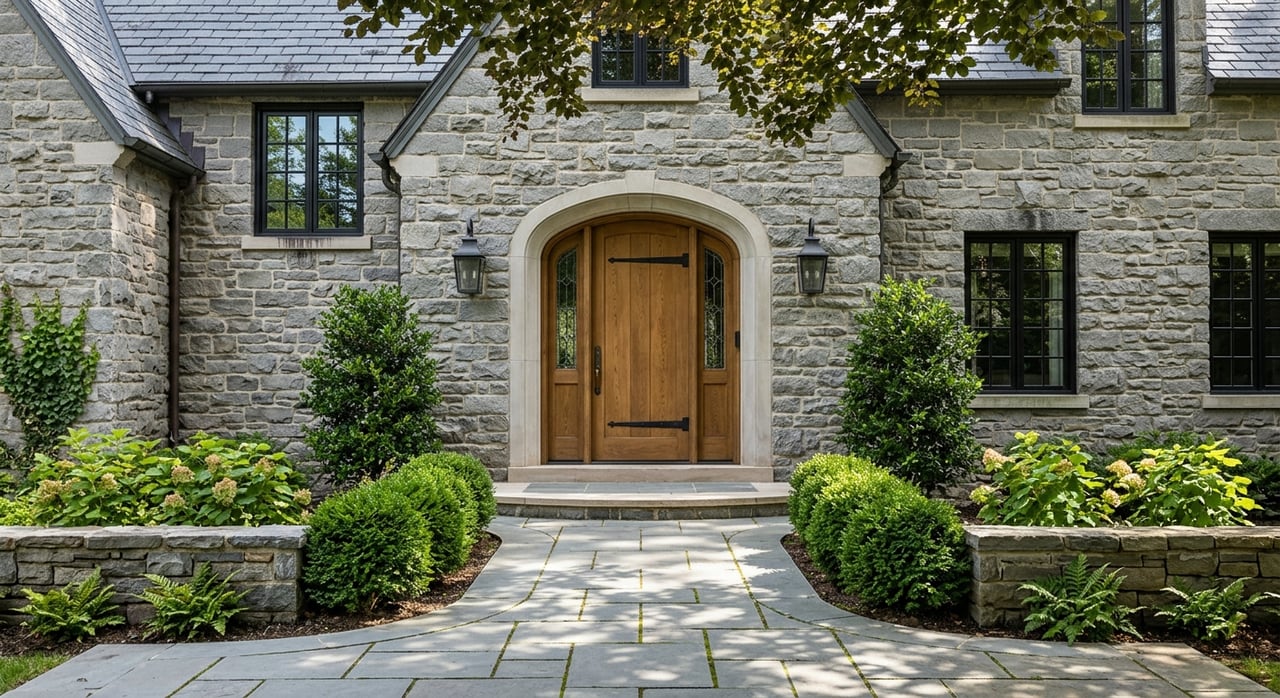
A big reason is the use of Wissahickon schist and fieldstone throughout the area. Those materials give many homes a grounded, timeless look that feels specific to Chestnut Hill. For buyers, that means the appeal often goes beyond square footage or finishes and extends to craftsmanship, texture, and setting.
Luxury Is Not One-Size-Fits-All
Chestnut Hill luxury does not always mean a sprawling estate. In this neighborhood, luxury can also mean a beautifully renovated historic home, a well-positioned detached residence near Germantown Avenue, or a one-of-a-kind property with strong architectural pedigree.
That variety widens the buyer pool. Some people are drawn to estate-scale homes, while others care more about walkability, preserved design, and immediate access to trails, shops, and rail service.
Chestnut Hill Luxury Home Prices
Current market data places Chestnut Hill firmly in Philadelphia’s upper tier. Redfin reported a median sale price of $1,025,000 in March 2026, while Realtor.com showed a median listing price of $1.597 million and a median price per square foot of $456. Since those figures reflect different data sets and timeframes, they are best read as directional context rather than exact comparisons.
Active luxury inventory also shows a wide pricing spread. Redfin’s luxury-home view showed 21 luxury homes for sale, with active examples ranging from about $850,000 to $3.8 million. That gives buyers and sellers a useful framework for understanding where different types of homes may fit.
Three Practical Pricing Tiers
Based on active inventory, Chestnut Hill luxury homes often fall into three broad tiers:
- High six figures for smaller or renovated luxury homes
- Low-to-mid seven figures for core detached homes
- Above $3 million for trophy-level estate properties
These are not hard categories, but they help explain the market. In a neighborhood where architecture, lot size, condition, and location all matter, pricing can vary significantly from one home to the next.
The Market Is Still Competitive
Chestnut Hill’s luxury submarket remains competitive. Redfin describes the neighborhood as very competitive, with homes often receiving multiple offers. It also reports that 40% of homes closed above list price and that homes sold in an average of 28 days.
For sellers, that is a reminder that strong demand still exists for well-prepared homes. For buyers, it means timing, positioning, and clear strategy matter, especially when a property checks several boxes at once.
Green Space Is a Major Advantage
One of the clearest reasons Chestnut Hill stands apart is its access to nature. The neighborhood borders Wissahickon Valley Park, a roughly 1,800-acre park with dozens of trail miles. The broader Wissahickon watershed adds even more protected open space, including Forbidden Drive.
Morris Arboretum also sits at 100 E. Northwestern Avenue on the neighborhood’s edge. Its 92 acres add another major landscape and cultural asset to the area. For buyers comparing luxury neighborhoods, this level of nearby green space is a meaningful differentiator.
The Setting Supports Daily Lifestyle
In Chestnut Hill, green space is not just a weekend amenity. It shapes the everyday feel of the neighborhood. You can move between historic homes, tree-lined streets, and a real commercial corridor while staying close to trails, gardens, and open land.
That combination is rare in Philadelphia. It gives the area a calm, low-rise atmosphere without cutting it off from the rest of the city.
Germantown Avenue Adds Real Main Street Energy
Luxury buyers often want more than a beautiful home. They also want a neighborhood that feels complete. In Chestnut Hill, Germantown Avenue plays a major role in that value story.
According to the Chestnut Hill Business District, the corridor includes more than 200 independent businesses and more than 125 independently owned boutiques, specialty shops, and galleries. Visit Philadelphia identifies Germantown Avenue as the neighborhood’s shopping and dining hub, which helps explain the area’s strong urban-village identity.
Why the Business District Matters
A luxury neighborhood with a true main street tends to feel more layered and livable. In Chestnut Hill, premium homes are supported by a commercial core that gives residents easy access to dining, shopping, and everyday convenience.
That is an important distinction. Some high-end neighborhoods offer privacy and space, but not much street life. Chestnut Hill gives you both a residential retreat and an active local center.
Transit and Access Strengthen Appeal
Chestnut Hill’s location works especially well for buyers who want neighborhood charm without feeling disconnected. SEPTA says the Chestnut Hill West line stops at the top of the Hill on Germantown Avenue, while Chestnut Hill East is at 101 E. Chestnut Hill Avenue. Bus routes 23, 77, 94, 134, and L also serve the neighborhood.
The Chestnut Hill Business District notes that the area is about 25 minutes from Center City by car. It can also be reached by SEPTA or by bike via Forbidden Drive. That range of access points adds flexibility for residents who want both convenience and a quieter setting.
How Chestnut Hill Compares to Center City
Center City and Chestnut Hill serve very different luxury buyers. Redfin reported a March 2026 median sale price of $465,000 in Center City, far below Chestnut Hill’s reported median sale figure. Housing types also differ sharply, with Center City offering a denser mix of condos, townhouses, and attached housing.
Chestnut Hill appeals to buyers who want more space, more greenery, and a low-rise streetscape anchored by historic homes. Center City appeals to buyers who want a denser urban environment with a different housing mix. Neither is better in a universal sense, but the lifestyle proposition is very different.
How Chestnut Hill Compares to the Main Line
For a nearby upper-tier comparison, Lower Merion Township offers a useful Main Line benchmark. Realtor.com showed a median listing price of $812,000, with inventory ranging from condos and townhomes to larger houses on acreage. The township itself describes Lower Merion as an affluent residential community on the Main Line.
Compared with that benchmark, Chestnut Hill often offers a more urban-village setting and a stronger historic-commercial core. Both markets sit in the region’s premium tier, but Chestnut Hill can appeal to buyers who want architectural character, walkability, and rail access within Philadelphia.
What Buyers and Sellers Should Watch
If you are buying in Chestnut Hill, it helps to focus on the features that tend to hold value over time. Those include preserved architecture, setting within the historic district, proximity to green space, and access to Germantown Avenue or transit. In a neighborhood with limited supply and wide variation in home style, those details can shape both demand and resale appeal.
If you are selling, the strongest value story is usually broader than square footage alone. A compelling presentation should highlight the home’s architecture, condition, streetscape, access to Wissahickon-adjacent green space, and connection to the neighborhood’s commercial core. In a competitive luxury market, thoughtful positioning matters.
Why Chestnut Hill Keeps Its Premium Status
Chestnut Hill holds a premium position because it offers a mix that is hard to replicate. You get historic homes, preserved streetscapes, major green space, a true shopping and dining corridor, and multiple transit options, all within Philadelphia.
That combination helps explain why the neighborhood remains so distinctive. For buyers, it offers a version of luxury that feels rooted in place. For sellers, it creates a value story built on scarcity, identity, and lifestyle, not just finishes or square footage.
If you are considering buying or selling in Chestnut Hill, the right guidance can make a major difference in how you evaluate pricing, positioning, and demand. For tailored advice and a marketing-first approach to Philadelphia real estate, connect with Princeisawesome, LLC.
FAQs
What makes Chestnut Hill luxury homes different from other Philadelphia neighborhoods?
- Chestnut Hill stands out for its historic district, varied architecture, preserved streetscape, strong access to green space, village-like commercial corridor, and rail connectivity.
What is the price range for luxury homes in Chestnut Hill?
- Active luxury inventory has recently ranged from about $850,000 to $3.8 million, with smaller or renovated homes in the high six figures, core detached homes in the low-to-mid seven figures, and estate properties above $3 million.
Is the Chestnut Hill housing market competitive?
- Yes. Redfin describes Chestnut Hill as very competitive, with homes often receiving multiple offers, 40% closing above list price, and an average market time of 28 days.
How does Chestnut Hill compare with Center City for luxury buyers?
- Chestnut Hill generally offers larger historic homes, more greenery, and a low-rise village feel, while Center City is denser and has a broader mix of condos, townhouses, and attached housing.
Why do buyers value Chestnut Hill’s location?
- Buyers are drawn to the neighborhood’s mix of Wissahickon-adjacent green space, Germantown Avenue shopping and dining, SEPTA rail access, bus service, and relative convenience to Center City.