Love the look of Chestnut Hill’s stone homes but wondering what is behind the charm? You are not alone. Older mansions, stone twins, and refined new builds each come with unique materials, maintenance needs, and inspection priorities. This guide shows you what to look for, what to ask, and how to align the right house with your lifestyle and budget. Let’s dive in.
Chestnut Hill style snapshot
Chestnut Hill blends mansion-scale estates with semi-detached stone twins and carefully designed new construction. Many homes date to the late 19th and early 20th centuries, set on rolling lots near the Wissahickon with mature trees, terraces, and carriage structures. Expect high craftsmanship, layered details, and a neighborhood that values preservation.
Victorian and Romanesque
You will see asymmetry, turrets, wraparound porches, and complex rooflines. Masonry often features polychrome stone or brick with carved elements. Interiors tend to have tall ceilings, ornate plaster, and grand staircases.
Tudor Revival
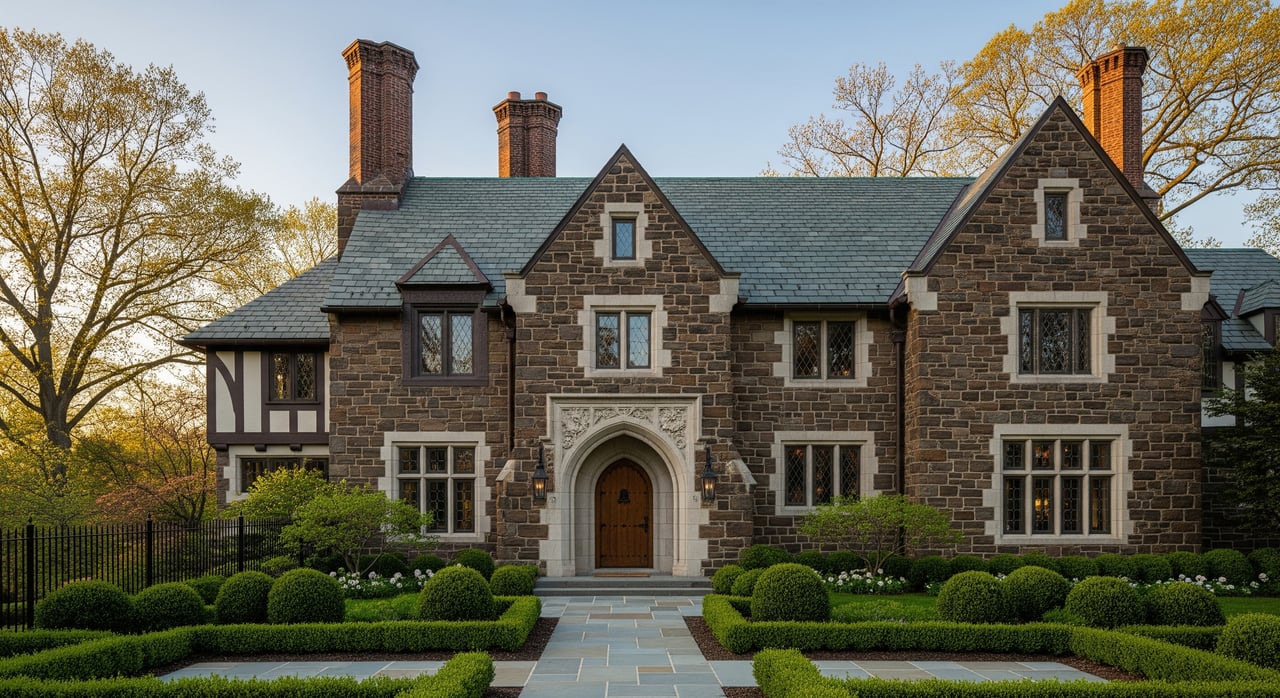
Look for steep roofs, half-timbering, and leaded casement windows. Exteriors may combine stone and brick with stucco panels. Many Tudors retain original woodwork and fireplaces that speak to the period.
Colonial Revival and stone twins
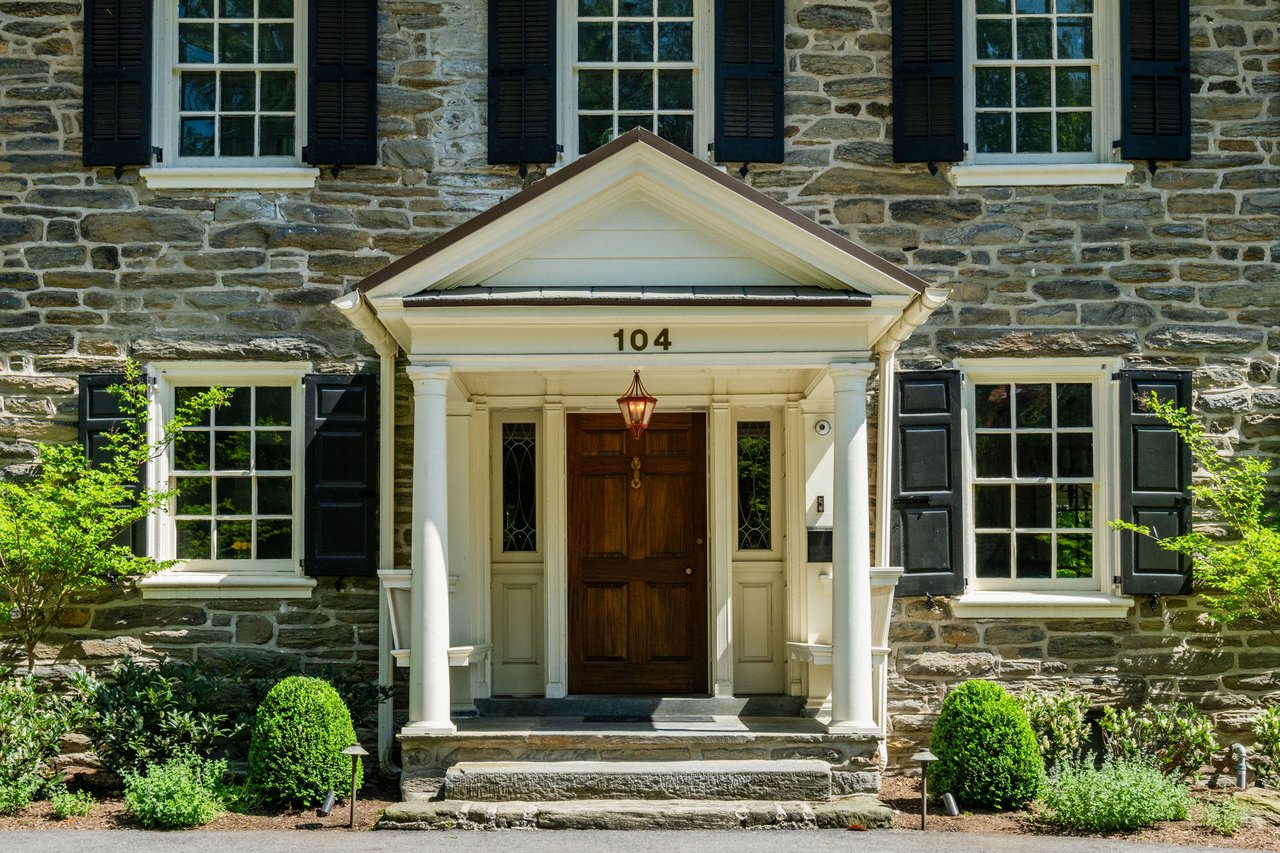
Colonial Revival and Georgian-influenced homes show symmetry, classical door surrounds, and balanced window layouts. Chestnut Hill’s signature “stone twins” are semi-detached houses built with local Wissahickon schist, often with carved lintels and stone quoins. These homes deliver historic character at a more manageable scale.
Refined new builds
Select infill projects and thorough renovations aim to echo historic materials or introduce contemporary detailing with high-performance systems. You get modern comfort while respecting the neighborhood’s character.
Materials and craftsmanship cues
Learning the materials helps you read quality at a glance.
Masonry and stonework
- Common materials: Wissahickon schist, brick, and brownstone or limestone trim. Some facades are stuccoed.
- Quality tells: hand-tooled stone, carved keystones, rubbed lintels, polychrome patterns, and mortar joints that match the original in color and profile.
- Red flags: bulging walls, displaced lintels, heavy white efflorescence, soft or missing mortar, and stair-step cracks near openings.
Roofs and gutters
- Historic materials: slate roofing with copper flashing, gutters, and decorative cresting.
- Quality tells: uniform slate courses, intact copper flashing at chimneys and valleys, and well-sized gutters with downspouts routed away from foundations.
- Red flags: slipped or missing slates, deteriorated flashing, corroded copper, sagging eaves, and patchwork using non-matching materials.
Windows and doors
- Historic fabric: original wood sash, stained or leaded glass, and carved doors.
- Quality tells: smooth sash operation, intact glazing putty, and original hardware.
- Red flags: rotted sills, swollen jambs, broken panes, painted-shut sashes, missing counterweights, and cracked putty.
Interiors and millwork
- What you may find: pocket doors, built-ins, wide-plank or parquet floors, mantels, and ornamental plaster.
- Quality tells: dovetail joinery, hand-planed moldings, intact plaster cornices, and original hardware.
- Red flags: large plaster cracks, sagging ceilings, mismatched trim, and signs of aggressive past remodels that removed original fabric.
Systems at a glance
- Expect older steam or hot-water boilers with radiators, legacy plumbing, and sometimes fuse panels or dated breaker boxes.
- Quality tells: documented upgrades, clearly labeled panels, and professional work.
- Red flags: knob-and-tube wiring, Federal Pacific or very old panels, galvanized or lead piping, and unknown boiler age.
Historic rules and permits
Parts of Chestnut Hill fall within local and national historic designations. Exterior alterations, demolition, or changes to primary facades in locally designated areas often require review and permits from the city’s historical review body. Before planning windows, roofing, or masonry work, confirm a property’s status and what is permitted. Early verification saves time and helps you set realistic expectations.
Inspection priorities and who to hire
Older homes reward a layered inspection plan. Start with a general home inspection, then add specialists where red flags appear.
- Structural and foundation
- Focus: settlement patterns, bowed or bulging masonry, tie rods, cellar joists and girders.
- Specialist: structural engineer with historic masonry experience.
- Roofing and flashing
- Focus: slate condition, underlayment age, copper at chimneys and valleys, gutter capacity and downspout routing.
- Specialist: roofer experienced with slate and copper.
- Masonry and chimneys
- Focus: mortar type and repointing needs, cracked or leaning chimneys, chimney-to-roof flashing.
- Specialist: mason skilled in historic stone and lime mortars.
- Building envelope and water
- Focus: grading and drainage, basement moisture, prior waterproofing or sump systems, window and door flashing, terrace and porch drainage.
- Specialist: building envelope consultant or seasoned contractor.
- Electrical system
- Focus: knob-and-tube, outdated breaker panels, service amperage, grounding, GFCI and AFCI protection.
- Specialist: licensed electrician familiar with historic upgrades.
- HVAC and plumbing
- Focus: boiler type and age, presence of oil tanks, pipe materials, and water heater age.
- Specialist: steam or hydronic HVAC contractor, licensed plumber, and environmental contractor for oil tank sweeps.
- Environmental and indoor air
- Focus: lead-based paint in pre-1978 homes, asbestos in insulation or tile, radon potential, and mold from damp basements.
- Specialist: EPA RRP-certified renovator and environmental testing firm.
- Pest and wood decay
- Focus: termites, carpenter ants, and rot at porches and sills.
- Specialist: licensed pest inspector experienced with older structures.
- Historic fabric assessment
- Focus: document original features, evaluate prior interventions, and plan for reversible fixes.
- Specialist: preservation architect or contractor.
Maintenance and lifecycle costs
Owning a historic Chestnut Hill home is stewardship. Budget and planning keep the experience enjoyable.
Mansions
Large roofs, many chimneys, extensive millwork, and older mechanicals mean higher ongoing care. In return, you gain grand entertaining spaces, formal gardens, and rich character.
Stone twins
Semi-detached houses typically have smaller footprints and lots. Envelope and roof care still matter, yet the scale is easier to manage than an estate.
Renovated or new builds
Modernized systems reduce short-term maintenance. Long-term costs still depend on exterior materials and craftsmanship.
High-cost items to plan for
- Slate roof repairs or replacement and copper flashing
- Masonry repointing with lime mortar and chimney work
- Lead paint remediation and asbestos abatement
- Boiler or full HVAC replacement and distribution upgrades
- Drainage corrections or foundation stabilization
- Historic window restoration or thoughtful replacement
Energy and comfort upgrades
Masonry walls are often uninsulated. Work with specialists to improve comfort without harming historic fabric.
- Add attic insulation and air sealing
- Insulate basement or cellar ceilings where appropriate
- Restore wood sash and add storm windows for efficiency and preservation
- Consider modern high-efficiency systems, including cold-climate heat pumps, when distribution can be solved
Lifestyle fit questions
Before you fall for a facade, align the home with your day-to-day.
- Do you want museum-level originality or a historic look with modern systems?
- How important is minimal maintenance versus architectural authenticity?
- Will you maintain formal landscaping, terraces, and older outbuildings?
- Do you need a garage or off-street parking on day one?
- Is vertical living with stairs acceptable, or do you need single-level access or an elevator plan?
On-tour buyer checklist
Bring this quick list to showings.
- Exterior: slate roof condition, chimney cracks or lean, gutter routing to grade, porch and terrace condition, and any bulging masonry
- Windows and doors: smooth operation, rot, glazing putty, storm windows, and leaded or stained glass condition
- Basement and cellar: moisture stains, efflorescence, sump system, old oil tanks, and visible structure
- Mechanical: boiler and water heater age, panel location and labeling, knob-and-tube, and galvanized or lead piping
- Interiors: plaster cracks or sagging, floor gaps or cupping, and signs of heavy patching or invasive remodels
Smart questions to ask the seller
- What is the house’s documented age and the timeline for major system replacements?
- Any known structural issues, drainage work, or insurance claims?
- Has there been an oil tank sweep or remediation? Are reports available?
- Is the property locally regulated for historic preservation and have recent exterior changes been approved?
- Are there as-built drawings, historic plans, or permit records for major work?
- What are typical heating and electric costs for full-year occupancy?
Local due diligence moves
- Confirm any historic designation and required permits before planning exterior work
- Review city property records and past permits for major interventions
- Check flood maps and local stormwater guidance for lot-specific risks
- Follow EPA Renovation, Repair, and Painting rules for lead-safe work and hire certified pros
- Use best-practice guidance on masonry, mortar, slate roofing, and window treatment from preservation authorities when planning repairs
Next steps
If Chestnut Hill is on your short list, pair a thoughtful search with preservation-savvy due diligence. You can love original millwork, select the right specialists, and negotiate with confidence when you understand the materials and lifecycle costs. For tailored advice and access to on-point inspectors and contractors, connect with Michael Prince.
FAQs
What makes Chestnut Hill architecture unique for buyers?
- A high concentration of late 19th and early 20th century masonry homes, including stone twins and mansion-scale properties, with distinctive materials like Wissahickon schist and slate.
How should I evaluate a slate roof on a Chestnut Hill home?
- Look for missing or slipped slates, intact copper flashing at chimneys and valleys, uniform courses, and sagging eaves that can signal deeper issues.
What do historic district rules mean for exterior changes?
- In locally designated areas, exterior alterations and demolition often require review and permits, so verify status before planning windows, masonry, or roof work.
Which inspections are most important for older stone homes?
- Prioritize structure, roofing and flashing, masonry and chimneys, electrical safety, and environmental testing, then add specialists for any red flags.
What big-ticket maintenance items should I budget for?
- Slate and copper roofing work, lime-mortar repointing, boiler or HVAC replacement, window restoration, drainage corrections, and lead or asbestos remediation.
How can I improve energy efficiency without harming historic fabric?
- Add attic insulation and air sealing, insulate basement ceilings, repair wood sash and use storm windows, and consider high-efficiency systems with careful distribution planning.