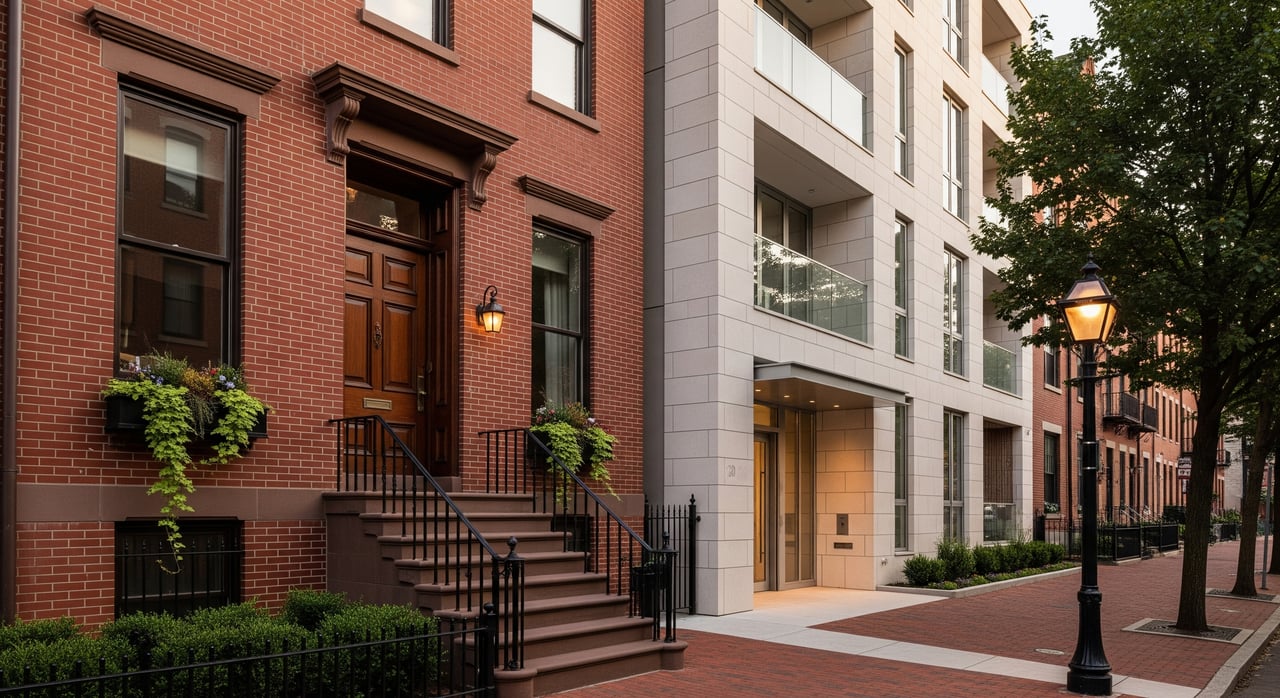
Wondering whether a rowhome or a condo is the better move in Graduate Hospital? You are not alone. The neighborhood offers both classic brick rowhouses and newer condo buildings, each with different costs, responsibilities, and lifestyle perks. In this guide, you will learn how ownership works in Philadelphia, what drives total cost of ownership, and the key checks to make before you decide. Let’s dive in.
Rowhome vs. condo: what you own
In Philadelphia, a rowhome is typically fee simple. You own the structure, the land beneath it, and all interior and exterior components. You are responsible for the roof, facade, foundation, mechanicals, and any private yard.
A condominium means you own your individual unit plus a share of the common elements. The association manages and insures common parts of the building according to the condo declaration and bylaws. Your monthly condo fees fund operations, insurance for common areas, and reserves for future repairs.
Pennsylvania condos follow state law under the Unit Property Act with documents recorded in Philadelphia County. Property taxes are based on assessed value through the City’s Office of Property Assessment. Insurance is different too. Condo owners usually carry an HO‑6 policy for interior improvements and personal property, while rowhome owners carry a standard homeowners policy that covers the entire structure.
Total cost of ownership in Grad Hospital
Your monthly and long‑term costs can look different between a rowhome and a condo, even at the same purchase price. Here is how to think about it:
- Purchase price. Rowhomes often command higher total prices because land is included, though amenity‑rich condos can compete. Always compare recent local comps for both.
- Property taxes. Rowhomes are taxed on the whole parcel. Condos are taxed on the individual unit’s assessed value. Review the current tax bill and any recent assessment changes.
- Insurance. HO‑3 or HO‑5 for rowhomes covers the full structure. HO‑6 for condos covers your interior and belongings. The condo’s master policy covers common elements. Confirm coverage details in the declaration.
- HOA/condo fees. These can include building insurance, common utilities, maintenance, management, and reserves. Fees vary by building age and amenities. Review the budget and reserve study to see what is included and whether reserves are healthy.
- Utilities. Many rowhomes have separate systems and you pay everything directly. Some condos include items like heat, water, or common electric in the monthly dues.
- Maintenance and capital items. Rowhome owners handle all exterior and major systems, which can mean periodic big‑ticket projects like roofs or masonry. Condo owners cover interior upkeep while the association funds common elements. Special assessments can occur if reserves are low.
To compare real options, gather current utility bills, the condo budget and reserve study, the property tax bill, and insurance quotes for both scenarios. Then build a 5 to 10 year projection that includes mortgage, taxes, insurance, HOA dues if applicable, and a conservative annual maintenance estimate for rowhomes. This makes the monthly picture and long‑term risk easier to see.
Maintenance responsibility and predictability
Condo dues can make costs more predictable for services they cover, but they can also rise over time. Review meeting minutes, reserve studies, and any history of special assessments to gauge the building’s fiscal health.
Rowhomes give you full control over maintenance and timing of projects. Year to year costs can be uneven. A clean inspection and an understanding of roof age, foundation condition, and any water issues will help you budget accurately.
For condos, request the declaration, bylaws, master insurance, budget and reserves, meeting minutes, litigation history, and owner‑occupancy rates. For rowhomes, order a thorough inspection, confirm permits for prior work, and pay close attention to party walls, chimney, drainage, and basement moisture.
Outdoor space and daily lifestyle
Rowhomes in Graduate Hospital usually offer private outdoor areas. You may get a rear yard, a front stoop, and sometimes a roof deck if it is permitted and built to code. You have more control over landscaping and storage and fewer restrictions on items like grills or gardening, subject to city rules.
Condos vary. Some offer private patios or terraces and shared amenities like roof decks or courtyards. Others have limited outdoor access. Building rules may limit grills, alterations, and certain pet activities. Think about how you live day to day, whether you entertain outside, and what rules would feel comfortable.
Parking and getting around
On‑street parking in Southwest Center City is common and can be competitive. Check the block’s residential permit zone and what that means for you and your guests. When a property offers off‑street parking, it usually carries a premium.
In condos, parking may be deeded or assigned. Confirm whether a space transfers with the unit, how assignments work, and what monthly fees apply. For rowhomes, confirm any existing garage or rear alley access and whether it is legally permitted. Always verify the specific property’s parking rules and local permit details before you bid.
Resale dynamics and buyer pools
Rowhomes often appeal to buyers who want full ownership, outdoor space, and long‑term control over renovations. Financing is usually straightforward, which can widen the buyer pool.
Condos attract a broad range of buyers who value convenience, security, and amenities. Lenders will review building finances, reserves, insurance, and owner‑occupancy. Smaller or non‑approved projects can face tighter lending scrutiny, which can affect both buyers and appraisals. Long‑term appreciation depends on local supply and demand, renovation trends, and overall neighborhood desirability.
Financing notes to factor in
Lenders treat condos and rowhomes differently. For condos, underwriters review the association’s budget, reserve levels, insurance, owner‑occupancy, delinquency rates, and any litigation. These items can affect loan options, rates, and approvals.
Rowhomes are usually treated like single‑family homes with standard underwriting. Down payment and PMI rules are similar across both property types, but some low‑down‑payment programs depend on the specific condo project’s eligibility.
Step‑by‑step: choose with confidence
- Clarify your lifestyle priorities. Yard or terrace, pets, storage, noise, and privacy often decide it faster than price does.
- Pull local comps for both options. Look at the last 6 to 12 months for similar properties nearby.
- Build a 5 to 10 year cost projection. Include mortgage, taxes, insurance, HOA dues, and realistic maintenance or assessment allowances.
- Validate parking and rules. Confirm deeded or assigned parking, guest rules, and permit options for your block.
- Confirm financing and insurance. Ask lenders how they treat the specific condo association and get HO‑6 or HO‑3 quotes.
- Inspect and review documents. Use inspection findings or HOA disclosures to negotiate repairs, credits, or price.
Buyer profiles: quick scenarios
- Young professional, first‑time buyer. You want low maintenance and lock‑and‑leave living close to Center City. A well‑managed condo keeps exterior upkeep off your plate. Review reserves, elevator history, storage, and parking options.
- Couple planning for space. You value a private yard and future expansion. A rowhome offers flexibility for renovations and family life. Budget for periodic big projects and inspect for water and structural issues.
- Downsizer seeking convenience. You want minimal upkeep, elevator access, and security. A high‑amenity condo checks boxes. Weigh the HOA fee against the services and reserves.
- Investor weighing yield. You care about rentability and maintenance. Condo rental caps and dues can compress yields. Rowhomes offer control but may require more hands‑on management.
Due diligence checklists to use
For any property
- Recent property tax bill and assessed value history
- Recent comparable sales from the last 6 to 12 months
- Full inspection including roof, foundation, HVAC, electric, moisture, and party walls
- Title search and any available survey
Condo specifics
- Declaration, bylaws, and master insurance policy
- Budget, reserve study, and recent meeting minutes
- Special assessment history and any pending litigation
- Owner‑occupancy and rental rules or caps
Rowhome specifics
- Permits for prior work and roof age
- Drainage, chimney, and basement water history
- Any party wall agreements or notes on shared responsibilities
- Termite or structural reports if available
Parking and logistics
- Deeded or assigned parking details and transfer rules
- Guest parking and neighborhood permit options
Insurance and financing
- HO‑3 or HO‑6 quotes for your scenario
- Lender review requirements for the condo association if applicable
Red flags to catch early
Condo red flags
- Low reserves, frequent special assessments, high delinquency, or pending litigation
- A high concentration of units owned by one investor or lender
- Restrictive rental caps if you plan to rent in the future
Rowhome red flags
- Roof, masonry, or foundation issues and repeated water intrusion
- Major unpermitted renovations
- Party wall disputes or unresolved boundary questions
Ready to compare real homes?
If you want a private yard and long‑term control, a rowhome might fit best. If you prefer turnkey convenience and shared amenities, a condo could be smarter. The right choice comes from running the numbers, checking documents, and aligning the property with how you actually live.
When you are ready to compare real listings side by side, work with a local advisor who can pull current comps, review condo documents, and pressure‑test total cost of ownership over five to ten years. Start the conversation with Michael Prince for neighborhood‑first guidance backed by modern, marketing‑led execution.
FAQs
What is the key ownership difference in Philadelphia?
- With a rowhome you own the building and land, while with a condo you own your unit plus a share of common elements managed by the association.
How do HOA fees in Graduate Hospital affect my budget?
- Condo dues fund building operations, insurance, and reserves, which can smooth costs but add a monthly line item that you should weigh against what those dues include.
How should I compare total monthly costs between options?
- Collect the tax bill, insurance quotes, HOA budget and reserve study if a condo, and utility history, then model mortgage, taxes, insurance, dues, and maintenance over five to ten years.
What parking checks matter for this neighborhood?
- Verify whether parking is deeded or assigned, what fees apply, and how residential permits and guest rules work for the specific block before you make an offer.
What condo documents should I review before buying?
- Request the declaration, bylaws, master insurance, budget, reserve study, recent meeting minutes, any special assessments, owner‑occupancy rate, and litigation history.
What inspections are most important for rowhomes here?
- Focus on roof age and condition, foundation and masonry, party walls, drainage and basement moisture, chimneys, electrical panel, and HVAC systems.
How do lenders view small condo buildings in Southwest Center City?
- Lenders review the association’s finances, reserves, insurance, owner‑occupancy, and any litigation, which can affect loan approvals, rates, and appraisal outcomes.