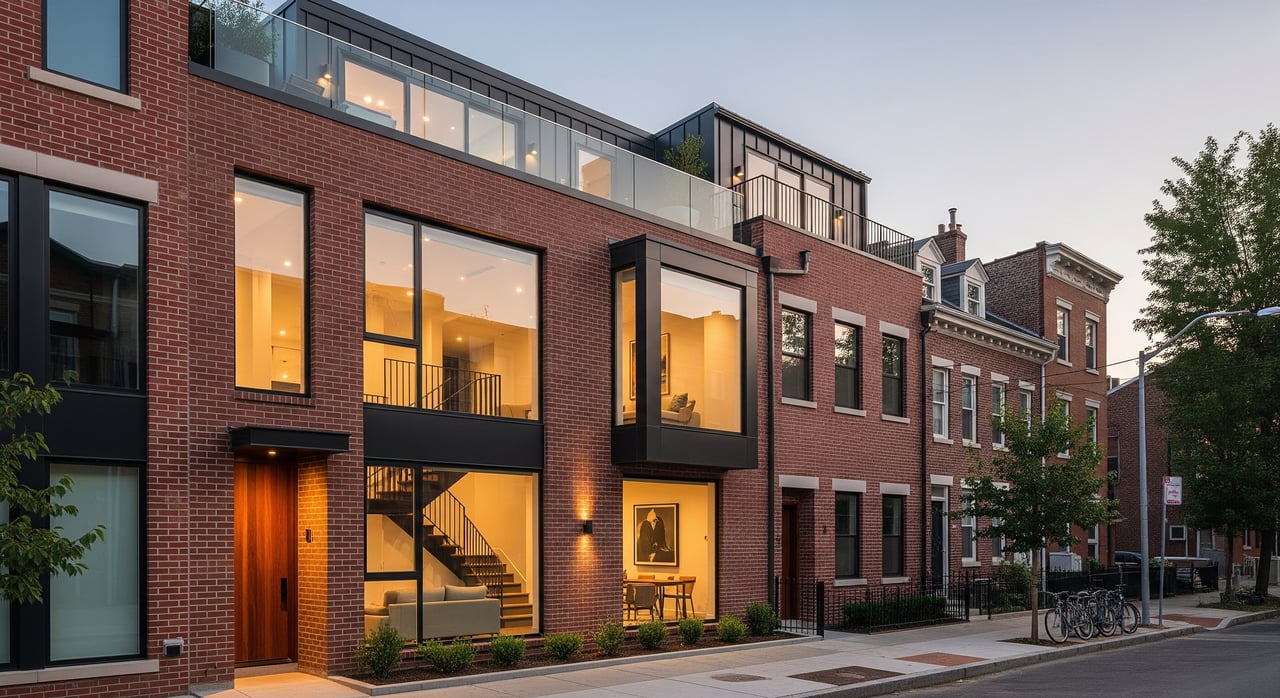
You can fall in love with the clean lines and that new-home smell, but buying new construction in Fishtown takes more than a quick walk-through. You want modern design, energy savings, and low maintenance without surprises after closing. This guide shows you how to vet the builder, lock in the right protections, plan smart inspections, compare finishes, and weigh micro-location tradeoffs along Frankford and Girard. Let’s dive in.
Builder and contract essentials
Vet the builder
- Ask for a portfolio of recent projects, with addresses you can visit and actual closed sales, not just marketing materials.
- Request at least three recent buyer references and ask about punch list response times and warranty service.
- Check reviews and public records: BBB, Google, local Facebook groups, and neighborhood forums. Search for court cases or liens tied to the company or principals.
- Confirm business registration and insurance. Verify registration with the Pennsylvania Department of State and ask for general liability and workers’ comp certificates.
- Ask who the primary subcontractors are. Frequent turnover in framers, roofers, HVAC, or electricians can signal risk.
Lock down the contract
- Require a clear scope of work with brands and models for key finishes and systems.
- Nail down allowances and the process for overages or substitutions if items are backordered.
- Define change-order pricing, approval thresholds, and how credits or upgrades are handled.
- Set a realistic project timeline with milestones and an expected closing date. If possible, include liquidated damages for delays.
- Include your right to independent inspections and the ability to delay closing for unresolved safety or code issues.
Title and closing protections
- Require all permits to be pulled in the builder’s name and ask for inspection records from the Philadelphia Department of Licenses & Inspections.
- Insist on a final Certificate of Occupancy at or before closing, or clearly document any exceptions.
- Clarify who holds any retainage or escrow for incomplete items and set firm timelines for completion.
Warranties and documentation
Typical coverage
- Workmanship: often about 1 year for finishes and general workmanship.
- Systems: commonly about 2 years for plumbing, electrical, and HVAC.
- Structural: frequently about 10 years for major structural elements.
- Coverage varies by builder. Get exact terms in writing.
Get it in writing
- A written warranty with coverage, exclusions, claim process, response times, and transferability.
- Manufacturer warranties for HVAC, water heater, roofing, windows, doors, and appliances.
- As-built drawings and mechanical schematics, plus installation manuals and commissioning reports.
- Lien waivers at closing or proof of escrow to reduce mechanic’s lien risk.
- Energy documentation if provided, such as a HERS score or blower-door test.
Watch the fine print
- Define what “normal settlement” means and when cosmetic cracking is covered.
- Clarify repair timelines and whether remedies are repair, replace, or credit.
- Ask if the structural warranty is third-party insured or self-insured and whether it is transferable.
Inspections and construction milestones
Why independent inspections matter
Municipal inspections focus on code compliance, not finish quality or energy performance. An independent inspector gives you a buyer-focused record and can catch issues early. Choose someone experienced with new construction rowhomes and party walls. You can start with organizations like the American Society of Home Inspectors (ASHI).
When to inspect
- Foundation/footing: verify waterproofing, drainage prep, and footing dimensions where applicable.
- Pre-drywall: check framing, rough plumbing and electrical, HVAC ducting, fireblocking, and insulation plans.
- Mechanical startup: confirm HVAC commissioning, hot water, panel labeling, and appliance startup.
- Final inspection: complete walk-through to build a punch list before closing.
- Specialty tests as needed: radon, HVAC balancing, sewer lateral condition, and moisture intrusion.
What inspectors check closely in Fishtown
- Water management: grading, downspouts, foundation drainage, and any swales or stormwater controls.
- Building envelope details: window and door flashing, sill pans, roof underlayment, and exterior drainage.
- HVAC design: sizing, ventilation, and fresh air strategies for tight, energy-efficient builds.
- Fire separation and party-wall details: critical for attached rowhomes.
Costs and contractual protections
You typically pay for independent inspections. Many builders will not pay for your inspector, though you can ask them to cover specific tests like radon or blower-door verification. Include a right to pre-drywall and final inspections, plus the ability to escrow funds or delay closing until punch list items and safety issues are resolved.
Finishes, allowances, and value
What drives perception and resale
- Kitchen: cabinet quality, soft-close hardware, appliance brand and size, and quartz or stone counters.
- Bathrooms: tile quality and installation, shower pan details, and ventilation.
- Flooring: solid hardwood vs. engineered or laminate, with attention to installation quality.
- Mechanicals: HVAC efficiency, tankless vs. tank water heater, and EV-ready electrical capacity.
- Windows and doors: quality, operation, and clean sightlines; proper flashing is essential.
- Outdoor space and parking: roof decks, balconies, and secure parking increase value.
- Energy features: insulation levels, air sealing, and testing data if provided.
Compare like-for-like comps
- Line up two sets of comps: recent new-build sales and nearby resale homes with similar size, bed/bath count, outdoor space, parking, and basement finish.
- Put a number on the new-build premium by estimating the cost to upgrade a resale to similar finish levels.
- For pricey upgrades, get independent contractor quotes to check any builder markup.
Manage allowances and deadlines
- Review each allowance line item and how overages are billed.
- Understand selection deadlines and the process for substitutions if items are delayed.
- Keep all chosen brands, models, and colors in the contract or addendum.
Fishtown micro-location: Frankford and Girard
Frankford Avenue considerations
You get great walkability and retail, which often supports resale. Expect higher evening and weekend activity, occasional event noise, and more short-term foot traffic. Mixed-use zoning can add flexibility, but verify nearby parcel uses in the Philadelphia Zoning Code.
Girard Avenue considerations
Girard is a major east-west artery with transit access and some commercial nodes. You may benefit from mobility and future corridor improvements, with tradeoffs like heavier traffic and busier intersections. Proximity to the SEPTA Market-Frankford Line can boost convenience.
Lot-level checks that matter
- Block composition: residential vs. mixed-use and corner-lot exposure.
- Light and orientation: narrow lots and adjacent buildings affect natural light; rooftop decks can offset.
- Parking: curb permits, garage, or off-street options.
- Flooding and drainage: check FEMA maps and ask about waterproofing and downspout routing. Start with the FEMA Flood Map Service Center and the Philadelphia Water Department’s stormwater resources.
Local due diligence steps
- Permits and violations: review histories with Philadelphia L&I.
- Property data and taxes: confirm details with the Philadelphia Office of Property Assessment.
- Zoning and permitted uses: verify designations in the Zoning Code.
- Transit and mobility: check SEPTA route information.
- Safety data: review block-level information from the Philadelphia Police crime maps and stats.
Timeline and negotiation levers
Typical pre-closing timeline
- Contract signing and deposit.
- Selections deadline for cabinets, tile, fixtures, and paint.
- Pre-drywall inspection window.
- Mechanical startup and mid-construction walk-through.
- Final walk-through and punch list.
- Certificate of Occupancy issued.
- Closing, with escrow for any outstanding items.
Smart negotiation levers
- Price and closing costs: negotiate credits or help with closing costs when timing or inventory motivates the builder.
- Upgrades vs. credits: ask for credits and hire your own contractors post-closing if builder pricing is high.
- Timeline protections: include milestones and, if possible, liquidated damages for delays.
- Inclusions in writing: specific appliances, EV-ready circuits, or outdoor features.
- Escrow and retainage: hold funds until punch list or specialty test results are complete.
Red flags to avoid
- Missing permits, outstanding L&I violations, or no clear inspection history.
- Vague warranty terms, limited transferability, or only manufacturer warranties with no builder coverage.
- Builder refuses independent pre-drywall or final inspections, or will not address punch list items before closing.
- Unexplained cost increases or frequent change orders.
- Adjacent uses that add noise, odors, or traffic that were not discussed.
- Poor water management, basement moisture, or no visible waterproofing details.
If you want a second set of eyes on a new-build in Fishtown, a local advisor can help you vet the builder, pressure test the contract, and plan inspections that protect your investment. For neighborhood-first guidance with modern, marketing-led execution, connect with Michael Prince.
FAQs
How much premium should I expect for Fishtown new construction?
- New builds often carry a premium for modern layouts, warranties, and energy features; compare recent new-build sales and nearby resales, adjust for parking and outdoor space, and estimate the cost to bring a resale up to similar finishes.
Can I rely on the builder’s delivery timeline for a Fishtown home?
- Treat timelines as estimates; protect yourself with contract milestones, the option for escrow or retainage, and if possible liquidated damages for delays, plus independent inspections to reduce surprises.
Who pays for inspections on a new-build rowhome?
- Buyers typically pay for independent inspections; you can request the builder cover certain tests like radon or blower-door verification, but most builders will not pay your inspector’s fee.
What warranty lengths are standard on new construction?
- Many builders follow a 1-year workmanship, 2-year systems, and 10-year structural pattern; verify exact terms, exclusions, and transferability in writing.
What local records should I check before buying in Fishtown?
- Review L&I permits and violations, OPA property data, zoning designations, FEMA flood maps, and neighborhood safety data; also verify the builder’s registration with the Pennsylvania Department of State.